Hostnet NL

Why Hostnet NL Is a Popular Choice for Website Hosting in the Netherlands

Why Hostnet NL Is a Popular Choice for Website Hosting in the Netherlands

Hostnet NL

Choosing a web hosting company can feel a little like choosing the foundation for a house. You might spend most of your time thinking about the design, pages, products, images, and content, but none of those things matter much if the foundation underneath your website is unreliable. For businesses, bloggers, freelancers, online stores, and entrepreneurs in the Netherlands, Hostnet NL has become a familiar name in the hosting market because it brings domains, hosting, WordPress, email, website-building tools, and more advanced hosting services together under one roof. Hostnet currently promotes web hosting with free SSL, WordPress one-click installation, backups, and support seven days a week, while its broader platform also includes domain registration, Website Builder, VPS services, and managed hosting. That combination makes the provider interesting for users who want something more straightforward than assembling a website infrastructure from several different companies. Instead of managing a domain at one provider, hosting somewhere else, email with another service, and technical support through yet another company, customers can centralize many of these requirements. That convenience is one of the biggest reasons Hostnet NL continues to attract Dutch website owners who value simplicity alongside hosting performance.

Table of Contents

Understanding Hostnet NL and Its Place in the Dutch Hosting Market

Hostnet is positioned as a broad online-services provider rather than simply a company selling server space. Its current product range covers domain registration, web hosting, WordPress hosting, Website Builder, email, SSL certificates, VPS hosting, managed hosting, and additional online-business services. This matters because the needs of a website often change over time. Someone might begin with a simple informational website, add professional email later, move to WordPress, launch an online shop, and eventually require stronger server resources as traffic increases. Having these services available from the same provider can make that journey less complicated. Hostnet also presents itself as a provider focused on helping entrepreneurs start, build, and grow their online presence, which explains why its product lineup is broader than traditional entry-level shared hosting.

A Hosting Provider Built Around Dutch Businesses

One of the strongest arguments for choosing Hostnet NL is its clear focus on the Dutch market. A local audience can have different expectations from a website than an international audience, particularly when it comes to domain names, language, customer service, and business credibility. Hostnet offers .nl domains alongside many other domain extensions, allowing businesses to establish a recognizable Dutch online identity. Its website also emphasizes support seven days a week, which can be useful for small businesses that do not have an internal IT department. Imagine running a small consultancy and discovering on a Sunday morning that something is wrong with your website. Having access to hosting support beyond a traditional Monday-to-Friday schedule can make the problem feel much less intimidating.

What Makes Local Hosting Appealing?

Local relevance is not just about having a Dutch company name on a website. It can also mean having products and services designed around the needs of people operating in the Dutch online ecosystem. A business targeting customers in the Netherlands may naturally want a .nl domain, Dutch-language support resources, professional email using its own domain, and hosting packages that can grow with the business. Hostnet combines these elements into a single ecosystem. Its current website reports more than 200,000 customers and promotes seven-day support, giving potential customers a clear indication that it operates at significant scale. For a beginner, that can be reassuring because hosting is one area where having access to an established support structure can save considerable time.

Hostnet NL Web Hosting Features

The core web hosting packages are designed to cover different website sizes and requirements. Current Hostnet packages range from Lite and Core through Boost and Power, with published specifications increasing from 25 GB to 200 GB of storage, depending on the package. The plans also include databases, mailboxes, automatic or manual backup options depending on the package, free SSL, WordPress one-click installation, and seven-day hosting support. This gives customers a relatively clear upgrade path. A small portfolio website does not necessarily need the same resources as a busy business website or a content-heavy WordPress project, so having several tiers can make it easier to avoid paying for resources that are not currently required.

Storage, Databases, and Email

Storage is only one part of hosting, but it becomes increasingly important as a website grows. A simple company website may use very little space, while a photography site, blog, membership platform, or online store can accumulate images, documents, databases, backups, and other files surprisingly quickly. Hostnet’s current web hosting comparison shows packages with different storage limits, database allocations, and mailbox counts, allowing customers to choose according to their needs. Email is particularly useful for businesses because a professional address using the company domain can look considerably more credible than a generic personal email account. When your website, domain, and email are managed within the same hosting ecosystem, administration can also become easier for people who would rather spend their time running their business than managing technical services.

SSL and Website Security

Security has become a basic requirement rather than an optional extra for modern websites. Visitors expect to see HTTPS when entering personal information, logging into an account, or making a purchase. Hostnet includes free SSL through Let’s Encrypt with its web hosting offerings, giving customers an accessible way to establish an encrypted connection. Its separate SSL offering also provides additional certificate options for organizations with more specialized requirements. Of course, an SSL certificate does not magically make a website completely secure. Website owners still need strong passwords, updated software, secure plugins, appropriate access controls, and sensible backup practices. The important point is that Hostnet provides an essential security layer as part of its hosting environment rather than forcing every beginner to figure out SSL independently.

WordPress Hosting for Dutch Websites

WordPress remains one of the most popular ways to create websites because it combines flexibility with a relatively approachable management interface. Hostnet offers dedicated WordPress hosting packages designed to make getting started easier. Its current WordPress hosting service includes automatic WordPress installation, free Let’s Encrypt Wildcard SSL, PHP versions ranging from 8.2 through 8.5, Apache web server technology, FTP access, phpMyAdmin, and a File Manager. That collection of tools is useful because WordPress users frequently need access to both simple website-management functions and more technical resources.

Easy WordPress Installation

Installing WordPress manually is not especially difficult for an experienced developer, but it can be confusing for someone creating a website for the first time. One-click installation removes much of that friction. Instead of downloading files, creating databases, configuring credentials, and uploading everything manually, users can start with a more streamlined setup. That can be especially helpful for freelancers, small business owners, bloggers, and local entrepreneurs who want to focus on their website rather than server administration. Once WordPress is running, users can choose a theme, add plugins, publish pages, and begin creating content without needing to understand every underlying hosting component.

Performance and Flexibility

A website needs more than an attractive design to perform well. Hosting resources, server configuration, database performance, caching, image optimization, software versions, and website code can all influence how quickly pages load. Hostnet markets its WordPress hosting around stability, speed, and flexibility while providing multiple hosting levels for different requirements. That flexibility becomes valuable when a website starts small but grows over time. Rather than moving immediately to an entirely different provider when traffic increases, a customer can first investigate whether a higher hosting tier provides enough additional resources.

Domain Registration and .NL Domains

A website’s domain is its digital address, and for a Dutch business, a .nl domain can communicate something immediately to potential customers. Hostnet offers .nl domain registration and supports a large selection of other extensions. Its current domain pages state that customers can choose from more than 850 top-level domains, giving businesses plenty of options when a preferred name is unavailable under .nl or .com. The .nl extension itself has a particularly strong connection with the Netherlands and is managed by SIDN. For a business primarily serving Dutch customers, that local identity can be a meaningful branding advantage.

Why a .NL Domain Matters

Think about the difference between seeing a business website with a Dutch domain and one using an unfamiliar extension. Neither domain is automatically better, but the .nl ending immediately communicates a connection with the Netherlands. For local businesses, that can support familiarity and trust. Hostnet currently advertises introductory .nl domain pricing, although promotional prices apply to the initial period and normal renewal pricing should always be checked before purchasing. This is an important point for anyone comparing hosting companies: the first-year price is not necessarily the long-term cost. A sensible buyer should compare renewal fees, hosting fees, email costs, storage limits, and any optional services before making a decision.

Customer Support and Ease of Use

Technical problems rarely appear at convenient times. A website can work perfectly for months and then suddenly display an error after a plugin update, configuration change, or software issue. This is where customer support can become just as important as server specifications. Hostnet advertises personal technical support seven days per week for its web hosting services, giving users an avenue for assistance beyond the standard workweek. That can be particularly valuable for smaller organizations that do not employ a dedicated developer or system administrator.

Support for Beginners and Businesses

Not every website owner wants to become a hosting expert. Some people simply want to register a domain, create a website, connect email, and get back to running their business. Hostnet’s combination of Website Builder, WordPress hosting, conventional web hosting, and support is designed to accommodate that audience. The Website Builder product, for example, uses a drag-and-drop approach and is marketed toward people who do not have coding experience. That makes Hostnet suitable for users who prefer a guided environment as well as users who want more control through WordPress or traditional hosting tools.

Hostnet NL Pricing and Hosting Plans

Price is always part of the hosting conversation, but the cheapest advertised number is rarely the best way to compare providers. Hostnet’s current web hosting page lists four primary packages: Lite, Core, Boost, and Power. Published standard prices currently range from €9.99 per month for Lite to €22.99 per month for Power, excluding VAT, while promotional introductory prices may be lower for the first contract period. The exact cost therefore depends on the package, contract conditions, and applicable promotion.

Hostnet NL plan

Published standard price*

Storage

Databases

Mailboxes

Lite

€9.99/month

25 GB

5

5

Core

€13.99/month

50 GB

50

50

Boost

€16.99/month

100 GB

75

100

Power

€22.99/month

200 GB

100

200

*Prices shown by Hostnet exclude VAT and promotional pricing may apply during the initial contract period.

The key is to select a package according to the website’s actual requirements rather than simply choosing the largest option. A small brochure-style website may have little need for hundreds of gigabytes of storage. A larger WordPress website, content platform, or business hosting multiple mailboxes may benefit from additional resources. By comparing storage, databases, mailboxes, backup options, and expected traffic together, customers can make a more sensible hosting decision.

Website Builder for Non-Technical Users

Not everyone wants to install WordPress or learn how web hosting works. For these users, Hostnet’s Website Builder offers a simpler alternative. The platform uses a drag-and-drop interface and is designed to create responsive websites without coding. Current packages include different limits for published pages, mailboxes, storage, and features such as blogs, bookings, and online-store functionality. This type of service can be especially useful for freelancers, local service providers, clubs, consultants, and small companies that need a professional web presence without hiring a developer.

The advantage is speed. Instead of spending days learning themes, plugins, hosting panels, databases, and updates, a beginner can work inside a more guided website-building environment. The trade-off is flexibility. Website builders generally do not offer the same level of customization as a fully managed WordPress installation or a developer-controlled server. That means the right choice depends on the project. If simplicity is the priority, Website Builder can make sense. If advanced customization and extensibility are more important, WordPress or another hosting solution may be a better fit.

Performance Hosting and Managed VPS

A growing website eventually reaches a point where basic shared hosting may no longer provide the ideal environment. This is where Hostnet’s Performance Hosting offering becomes relevant. The company currently offers Managed VPS packages designed for growing websites and online stores, with published plans beginning at €55 per month excluding VAT. Higher plans provide additional RAM, processors, and capacity for multiple sites.

Managed hosting can be valuable because server administration can consume a significant amount of time. Instead of expecting a business owner to handle every technical responsibility, managed services place more of that burden on the hosting provider. Hostnet’s broader managed hosting offering includes features such as managed backups, certified data centers, firewall functionality, SSL, staging, site cloning, SSH access, and emergency support options. For businesses where downtime can directly affect sales or customer trust, that additional infrastructure can justify the higher cost compared with basic shared hosting.

Security, Backups, and Reliability

A hosting provider should be judged not only by how quickly a website loads but also by how well it helps customers protect and recover their data. Hostnet’s newer web hosting and WordPress packages include backup functionality, and its current documentation explains that automatic backups can cover website files, databases, and mailboxes. Customers can also create backups manually and restore saved backups through the hosting environment. This is an important feature because websites change constantly, and a backup can become the difference between a minor inconvenience and a serious business problem.

Still, website owners should not assume that hosting backups eliminate their own responsibility. Hostnet’s terms explain that backup arrangements can depend on the specific service or SLA, so customers should check the terms applicable to their package. Keeping an additional independent backup is sensible for important websites. Think of it as having both a spare key and a copy stored somewhere safe: you hope you never need either, but you are grateful they exist when something goes wrong.

Hostnet NL for Small Businesses and Entrepreneurs

Small businesses often need more than server space. They need a domain, professional email, a website, security, technical help, and sometimes an online store or booking system. Managing all these pieces separately can create unnecessary complexity. Hostnet’s ecosystem is attractive because a business can obtain many of these services from one provider and manage them through connected services. That can reduce the number of accounts, dashboards, invoices, and support contacts a business owner has to remember.

This approach is particularly useful for entrepreneurs who are building their first online presence. Someone launching a consultancy, restaurant, local service company, creative business, or online store can start with a domain and simple website and then add services as the business grows. Hostnet also offers professional website creation services for customers who would rather have specialists build the site. This range of options means the platform can serve both DIY users and businesses that want more hands-on assistance.

Hostnet NL vs Traditional Hosting Choices

Traditional hosting often forces customers to choose between many disconnected services. You might buy a domain from one registrar, hosting from another company, email from a third provider, and SSL somewhere else. That approach can work perfectly well, particularly for experienced developers who value flexibility. However, it also means that when something stops working, determining which company is responsible can become frustrating.

Hostnet’s approach is more integrated. The company combines domain registration, web hosting, WordPress, email, SSL, Website Builder, and VPS services in one ecosystem. The benefit is convenience, while the potential downside is that advanced users may prefer specialized providers for individual components. Neither model is universally superior. A developer managing dozens of high-traffic applications may want highly specialized infrastructure, whereas a small Dutch business may value having one familiar provider and one support channel.

This approach is particularly useful for entrepreneurs who are building their first online presence. Someone launching a consultancy, restaurant, local service company, creative business, or online store can start with a domain and simple website and then add services as the business grows. Hostnet also offers professional website creation services for customers who would rather have specialists build the site. This range of options means the platform can serve both DIY users and businesses that want more hands-on assistance.

Pros and Cons of Hostnet NL

Pros

  • Strong focus on the Dutch market.
  • .nl domain registration and many additional extensions.
  • Multiple web hosting tiers for different website sizes.
  • WordPress hosting with one-click installation.
  • Free SSL included with hosting packages.
  • Backup functionality on newer hosting packages.
  • Website Builder for people without coding experience.
  • Seven-day hosting support.
  • Managed VPS and hosting options for growing websites.
  • Domain, hosting, email, and website services available through one provider.

Cons

  • Promotional introductory prices may differ from normal renewal prices.
  • More advanced users may prefer highly specialized hosting infrastructure.
  • Shared hosting is not designed for every high-traffic application.
  • Customers should carefully compare features and renewal costs before selecting a package.
  • Backup responsibilities can vary according to the specific hosting agreement or SLA.

The balance between these advantages and disadvantages is what makes the provider a good fit for some websites but not necessarily every project. A beginner looking for simplicity may appreciate the ecosystem much more than an experienced developer who wants complete server-level control. The right hosting company is ultimately the one whose resources, support, technology, and pricing match the website you are actually building.

Hostnet’s approach is more integrated. The company combines domain registration, web hosting, WordPress, email, SSL, Website Builder, and VPS services in one ecosystem. The benefit is convenience, while the potential downside is that advanced users may prefer specialized providers for individual components. Neither model is universally superior. A developer managing dozens of high-traffic applications may want highly specialized infrastructure, whereas a small Dutch business may value having one familiar provider and one support channel.

This approach is particularly useful for entrepreneurs who are building their first online presence. Someone launching a consultancy, restaurant, local service company, creative business, or online store can start with a domain and simple website and then add services as the business grows. Hostnet also offers professional website creation services for customers who would rather have specialists build the site. This range of options means the platform can serve both DIY users and businesses that want more hands-on assistance.

Is Hostnet NL Good for SEO?

Hosting is not a magic SEO button, but it can influence several technical factors that affect the quality of a website. Website speed, uptime, mobile performance, HTTPS, server stability, and the ability to keep software updated can all contribute to a healthier technical foundation. Hostnet provides free SSL on its hosting plans, WordPress support, different resource levels, and performance-oriented options, which can help website owners establish that foundation.

However, choosing Hostnet NL will not automatically make a website rank higher in Google. Search visibility still depends on content quality, keyword targeting, internal linking, technical SEO, backlinks, user experience, search intent, structured data, and many other factors. Think of hosting as the road beneath a car. A smooth road can help the car perform properly, but the road itself does not determine where the driver goes. If SEO is the goal, hosting should support the strategy rather than be treated as the entire strategy.

How to Choose the Right Hostnet NL Plan

The best Hostnet package depends on the type of website, expected traffic, technical requirements, and budget. A personal blog or small business website may be perfectly comfortable with an entry-level package. A growing WordPress site with more content and visitors may benefit from a larger package, while an online store or demanding application could eventually need managed VPS resources.

Before purchasing, consider five questions: How much storage does the website actually need? How many databases and email accounts are required? Does the site use WordPress? How important are backups and support? And what will the hosting cost after the promotional period ends? Answering those questions can prevent the common mistake of buying a plan based solely on the introductory price.

For many Dutch businesses, the appeal of Hostnet NL is not one spectacular feature but the combination of practical services. A domain can be registered, email can be connected, WordPress can be installed, SSL can be enabled, backups can be configured, and support can be contacted without building a complicated infrastructure from scratch. That simplicity can be surprisingly valuable.

However, choosing Hostnet NL will not automatically make a website rank higher in Google. Search visibility still depends on content quality, keyword targeting, internal linking, technical SEO, backlinks, user experience, search intent, structured data, and many other factors. Think of hosting as the road beneath a car. A smooth road can help the car perform properly, but the road itself does not determine where the driver goes. If SEO is the goal, hosting should support the strategy rather than be treated as the entire strategy.

Conclusion

Hostnet NL is a popular choice for website hosting in the Netherlands because it combines hosting, domains, WordPress, email, SSL, website-building tools, and scalable server options in a single ecosystem. Its focus on Dutch customers makes it especially relevant for businesses and entrepreneurs targeting the Netherlands, while its range of hosting levels allows websites to start small and move toward more powerful infrastructure as their requirements increase. Features such as free SSL, WordPress one-click installation, backup functionality, Website Builder, and seven-day support make the platform approachable for beginners, while VPS and managed hosting options provide a path for more demanding projects.

That does not mean Hostnet is automatically the perfect provider for every website. Developers with unusual infrastructure requirements may prefer a highly specialized cloud or server provider, and businesses should always compare long-term pricing, renewal costs, technical specifications, support arrangements, and backup policies before committing. But for someone who wants a straightforward Dutch hosting ecosystem with room to grow, Hostnet NL offers a compelling combination of convenience, features, and scalability. In the end, good hosting should stay out of your way while giving your website a dependable foundation—and that is precisely the role Hostnet is designed to play

Before purchasing, consider five questions: How much storage does the website actually need? How many databases and email accounts are required? Does the site use WordPress? How important are backups and support? And what will the hosting cost after the promotional period ends? Answering those questions can prevent the common mistake of buying a plan based solely on the introductory price.

For many Dutch businesses, the appeal of Hostnet NL is not one spectacular feature but the combination of practical services. A domain can be registered, email can be connected, WordPress can be installed, SSL can be enabled, backups can be configured, and support can be contacted without building a complicated infrastructure from scratch. That simplicity can be surprisingly valuable.

However, choosing Hostnet NL will not automatically make a website rank higher in Google. Search visibility still depends on content quality, keyword targeting, internal linking, technical SEO, backlinks, user experience, search intent, structured data, and many other factors. Think of hosting as the road beneath a car. A smooth road can help the car perform properly, but the road itself does not determine where the driver goes. If SEO is the goal, hosting should support the strategy rather than be treated as the entire strategy.

Frequently Asked Questions

1. What is Hostnet NL?

Hostnet NL is a Netherlands-focused provider of domains, web hosting, WordPress hosting, email, SSL, Website Builder services, VPS solutions, and managed hosting. It is designed to support users ranging from beginners and small businesses to organizations requiring more advanced hosting infrastructure.

2. Is Hostnet NL suitable for WordPress websites?

Yes. Hostnet offers dedicated WordPress hosting with features including one-click WordPress installation, free Let’s Encrypt Wildcard SSL, multiple PHP versions, FTP, phpMyAdmin, and File Manager access. Different hosting levels allow customers to select resources according to their website requirements.

3. Does Hostnet NL offer .nl domain names?

Yes. Hostnet offers .nl domain registration along with a large selection of other domain extensions. A .nl domain can be particularly appropriate for businesses and websites primarily targeting customers in the Netherlands.

4. Does Hostnet NL provide website backups?

Yes. Hostnet’s newer web hosting and WordPress packages include backup functionality. Depending on the package, customers can benefit from automatic backups and the ability to create or restore backups. Website owners should still check the specific backup terms of their selected package and consider maintaining an independent backup.

5. Is Hostnet NL good for small businesses?

Hostnet can be a practical option for small businesses because it combines several essential online services, including domains, hosting, email, WordPress, SSL, Website Builder tools, and support. Businesses can begin with a relatively simple website and upgrade their hosting environment as their online presence grows.

Table of Contents

Ayoa

Ayoa for Project Management: Benefits, Tools, and Best Practices

Ayoa for Project Management: Benefits, Tools, and Best Practices

Ayoa

Project management can quickly become complicated when ideas live in one application, tasks are tracked in another, deadlines sit inside a calendar, and team discussions happen somewhere else. Ayoa takes a different approach by bringing mind mapping, task management, collaboration, whiteboarding, workflow management, and Gantt-style planning into one workspace. That makes it particularly interesting for teams that need to move from an early idea to a practical project plan without constantly jumping between tools. Ayoa describes its platform as an all-in-one workspace, and its current feature set includes mind maps, task boards, whiteboards, document and outline views, workflow management, and Gantt timelines.

The real question, though, is whether those features actually make Ayoa useful for project management, rather than simply making it another productivity application with a long feature list. The answer depends largely on how your team works. If your projects begin with brainstorming, research, planning, and lots of visual thinking, Ayoa has a natural advantage because ideas can become tasks inside the same environment. If you prefer a highly structured project-management system built primarily around conventional lists, databases, or complex enterprise reporting, you may find Ayoa’s visual approach different from what you are accustomed to. This guide explores how Ayoa works for project management, which tools matter most, what benefits teams can expect, and how to use the platform effectively.

Table of Contents

What Is Ayoa for Project Management?

Ayoa is a productivity and collaboration platform that combines visual thinking with practical task management. Instead of treating brainstorming and execution as two completely separate stages, the platform connects them so that teams can develop an idea and then turn that idea into an actionable plan. Its current project-management capabilities include visual task boards, Kanban-style workflows, Gantt timelines, task assignments, deadlines, dependencies, progress tracking, calendars, collaboration, and whiteboards.

This makes Ayoa particularly appealing for projects where the initial challenge is not simply “What task should we complete?” but rather “What exactly are we trying to accomplish, and how should we organize it?” Think of it like building a house. A traditional task-management application may start with a list of construction tasks, while Ayoa can help you sketch the blueprint first, identify the major rooms and components, and then turn those components into tasks. That combination can make complicated projects easier to understand before the team starts assigning responsibilities and chasing deadlines.

How Ayoa Combines Ideas and Execution

One of Ayoa’s most distinctive characteristics is the connection between mind mapping and project execution. The platform’s mind maps are designed to help users visually organize ideas, while task-management features provide a path for turning those ideas into actual work. Ayoa also provides whiteboards, outlines, document views, workflow boards, and Gantt timelines, giving teams multiple ways to look at the same project depending on the stage of work.

This can be useful when a project changes shape over time. A marketing team, for example, might begin with a mind map around a product launch. The team could branch that map into content, advertising, social media, landing pages, email campaigns, analytics, and launch operations. Those ideas can then become actionable tasks, receive owners and deadlines, and eventually be displayed through a workflow or Gantt timeline. Instead of throwing away the original brainstorming document once execution begins, the original thinking can remain connected to the project.

Why Use Ayoa for Project Management?

The biggest reason to use Ayoa for project management is its visual approach to organizing work. Many project-management tools are excellent at displaying lists of tasks, but lists can become overwhelming when a project contains dozens or hundreds of interconnected pieces. Ayoa gives teams several visual perspectives, allowing them to move between a broader project picture and the individual tasks that need attention. Its current feature set includes Canvas, Workflow/Kanban, Gantt Timeline, calendar planning, and other task views.

Another advantage is that Ayoa reduces the distance between planning and execution. Teams can brainstorm an initiative, structure the information, assign work, set dates, and track progress without necessarily moving the project into a completely different platform. This can reduce the friction created by switching between multiple applications. Ayoa itself emphasizes this “everything in one place” approach, combining idea generation, task management, collaboration, and communication in a single workspace.

Visual Project Planning

Visual planning can be especially valuable when the project is complex or when different stakeholders understand information in different ways. A timeline might make perfect sense to a project manager, while a mind map may be easier for a creative team to understand. A Kanban board can make workflow status immediately obvious, while a calendar provides a more practical view of what needs to happen on specific dates.

Ayoa allows teams to work with these different perspectives instead of forcing every person to consume project information in the same format. The platform’s Gantt timeline, for instance, displays tasks, milestones, relationships, and target completion dates across time. Ayoa’s support documentation also explains that projects can be started through different primary views and later switched into Gantt Timeline view. This flexibility can make project planning easier because the team does not have to commit to one visualization from the beginning.

Centralized Task Management

Centralization is another important benefit. A task is rarely just a title and a deadline. It might require an owner, notes, attachments, checklists, comments, tags, dependencies, progress information, and supporting documents. Ayoa’s task-management system includes these types of details and provides tools for assigning tasks, setting dates, adding attachments, comments, checklists, tags, dependencies, and progress information.

The practical benefit is simple: team members have a better chance of finding the context they need without searching through several disconnected applications. Imagine a content project where a writer is assigned an article. Instead of receiving the topic in a chat message, the deadline in an email, the keyword research in a spreadsheet, and the content brief in a document, the project can organize much of that information around the task. That does not automatically guarantee better execution, but it creates a cleaner operating environment.

Key Ayoa Project Management Tools

Ayoa’s project-management strength comes from the way several tools work together rather than from one individual feature. The platform currently promotes mind maps, whiteboards, document views, Workflow/Kanban boards, Gantt timelines, calendar planning, collaboration, and task-management functionality.

Mind Maps and Brainstorming

Mind mapping is arguably the feature that makes Ayoa different from many conventional project-management applications. Instead of beginning with a flat list, teams can start with a central idea and branch into related concepts, activities, questions, and deliverables. Ayoa’s mind-mapping system supports multiple mapping approaches, and its current platform also includes AI-powered idea-generation capabilities on its Ultimate plan.

This is particularly useful during project discovery. Suppose a company wants to redesign its website. The initial project could branch into research, UX, information architecture, copywriting, design, development, SEO, analytics, testing, and launch. Each branch can then become more detailed as the team understands the project. This is much closer to how people often think about complicated projects naturally: not as a straight line, but as a network of connected ideas.

Kanban-Style Workflow Boards

Ayoa’s Workflow view is inspired by the Kanban approach, giving teams a visual way to understand where tasks currently sit in the process. The platform describes its Workflow board as a way to move tasks through a process toward completion.

For a content team, a workflow might include research, writing, editing, SEO review, client approval, publishing, and promotion. Each task can move through these stages as work progresses. The advantage is immediate visibility. Rather than asking everyone for a status update, a project manager can inspect the board and see which work is waiting, active, completed, or blocked.

Gantt Timeline

For projects with important dates and dependencies, the Gantt Timeline is one of Ayoa’s most valuable project-management features. It provides a timeline-based view of tasks, categories, relationships, milestones, and completion dates. Ayoa’s current support documentation confirms that Gantt Timeline projects can display work across days, weeks, months, or even years.

This becomes particularly useful when one delay can affect several later activities. For example, a product launch might require design approval before development can begin, and development may need to finish before testing starts. Mapping these relationships visually gives the project manager a much clearer understanding of how the schedule behaves. Instead of simply seeing ten tasks with ten dates, the team can understand how those tasks interact.

Collaborative Whiteboards

Projects often begin with conversations rather than task lists. Ayoa’s collaborative whiteboard provides a freeform environment where teams can use text, sticky notes, images, links, flowcharts, and other visual elements.

This makes the whiteboard particularly useful for workshops, strategy meetings, discovery sessions, and remote collaboration. A team could use the whiteboard to collect customer problems, organize research findings, sketch a process, or map out a new campaign. Once the thinking becomes clearer, the team can move toward structured tasks and project views.

Ayoa Features That Improve Team Productivity

Ayoa’s project-management system includes several features designed to make day-to-day execution easier. Teams can assign responsibility, set due dates, use checklists, attach files, add comments, track progress, filter tasks, and work with dependencies. The platform also provides calendar views and daily planning capabilities, helping individual contributors connect their project responsibilities with their personal workload.

This matters because project management is not simply about creating a plan. The real challenge starts after the plan exists. People need to know what they own, what is urgent, what is blocked, what is coming next, and whether the overall project is still moving toward its deadline. A good project-management system should therefore function like a cockpit: it should not perform the work for the team, but it should make the important information visible at the right moment.

Task Assignments, Deadlines, and Dependencies

Clear ownership is one of the foundations of successful project management. Ayoa allows tasks to be assigned to team members and supports dates, reminders, dependencies, comments, attachments, and other task information.

A useful practice is to make every meaningful project task answer three questions: Who owns it? When is it due? What needs to happen before it can be completed? Without those three elements, a task can easily become a vague intention. Assigning responsibility creates accountability, while deadlines create urgency and dependencies show the sequence in which work needs to happen.

Progress Tracking and Calendar Planning

Ayoa also supports progress tracking and calendar-oriented planning. Its feature documentation highlights task progress percentages, daily summary emails, due dates, filters, and a My Calendar view that brings tasks from different boards into one place.

This is useful because project-level planning and personal-level planning are different things. A project manager needs to understand the overall roadmap, while an individual team member needs to know what should happen today. When those views connect, the project becomes more actionable. A large strategy stops feeling like an abstract plan and becomes a sequence of concrete actions.

Benefits of Ayoa for Different Teams

Ayoa can be particularly useful for creative teams, marketing departments, agencies, educators, consultants, product teams, and distributed teams that combine brainstorming with execution. Its visual tools can help teams organize ambiguous projects where the solution is not immediately obvious. Instead of beginning with a rigid task structure, the team can explore possibilities first and structure the project afterward.

For marketing agencies, this could mean starting a campaign with a mind map and then converting the major branches into tasks. For product teams, it could mean mapping customer problems before building a roadmap. For educators, it could involve using mind maps and whiteboards for lesson planning before turning activities into deadlines. The flexibility makes Ayoa more than a simple to-do list, particularly for teams whose work changes as new ideas emerge.

The platform also places emphasis on inclusive and customizable working styles. Its current offering includes features such as dyslexia-friendly modes, Auto Focus, customizable interface options, and tools designed to support different thinking styles. That can be valuable for organizations where accessibility and cognitive flexibility are important considerations.

Ayoa Pricing and Plans

access to the broader collection of project-management, collaboration, AI, mind-mapping, and productivity features. According to Ayoa’s current pricing page, the free version allows users to create up to 10 mind maps, while features such as editable task boards, whiteboards, AI functionality, and broader collaboration capabilities are associated with paid access. Ayoa also currently offers monthly and annual billing, with annual billing advertised as offering savings of up to 20% compared with monthly billing.

Ayoa’s current website lists Ayoa Ultimate from $13 per user per month when billed annually, although pricing can change and may vary depending on billing terms, region, promotions, or plan structure. For businesses evaluating the platform, it makes sense to check the official pricing page before making a purchasing decision.

Ayoa option

Best suited for

Key consideration

Free

Individuals testing Ayoa

Limited feature access

Ultimate

Individuals and teams needing the full workspace

Includes advanced project and collaboration features

Annual billing

Teams looking for lower effective monthly pricing

Current pricing page advertises savings versus monthly billing

The free version can be useful for evaluating whether Ayoa’s visual workflow fits your way of working. For serious commercial use, organizations should pay attention to licensing because Ayoa states that its free version is intended for personal use, while commercial use requires a paid plan.

Ayoa vs Traditional Project Management Tools

The biggest difference between Ayoa and conventional project-management software is its emphasis on visual thinking before and alongside execution. Traditional platforms often excel at structured task databases, reporting, workload management, or highly standardized workflows. Ayoa instead puts mind mapping, visual planning, whiteboarding, and project execution closer together.

That does not mean Ayoa is automatically better. It means it is optimized for a somewhat different experience. A team managing a highly repetitive process may prefer a more structured workflow system, while a creative team working through uncertain ideas may appreciate the freedom of Ayoa’s maps and whiteboards. The right question is therefore not simply “Which tool has more features?” but “Which tool matches the way our projects actually develop?”

Ayoa’s own comparison materials position its advantage around combining mind mapping with task management, Kanban workflow, Gantt planning, whiteboards, and related capabilities within the same platform.

Best Practices for Using Ayoa Effectively

The first best practice is to start with the project outcome, not the task list. Before creating dozens of individual tasks, define what success looks like. Then use a mind map or whiteboard to break that outcome into major areas of work. Once the structure makes sense, convert the appropriate branches into actionable tasks.

The second best practice is to avoid overloading the project board. A visual board only remains useful when the information is understandable. Use categories, subcategories, tags, and clear task names to create structure rather than adding unnecessary complexity. A task called “Website” is vague, while “Approve homepage wireframe” gives a team member something concrete to complete.

The third best practice is to make dependencies visible for projects where sequence matters. If Task B cannot start until Task A is complete, represent that relationship rather than relying on memory. Ayoa’s task-management system supports dependencies, while its Gantt Timeline provides a visual way to understand how work relates across time.

Finally, establish a regular review rhythm. A project board is only useful when it reflects reality. Schedule a weekly project review to check overdue work, blocked tasks, upcoming milestones, ownership, and overall progress. For larger projects, use the Gantt timeline for strategic review and the workflow board for daily execution. This simple separation keeps the team from trying to use one view for every purpose.

Pros and Cons of Ayoa

Pros

Cons

Combines mind mapping and project management

The visual approach may feel unfamiliar to traditional PM users

Includes Workflow/Kanban and Gantt views

Advanced features require a paid plan

Collaborative whiteboards support brainstorming

Teams wanting highly specialized enterprise PM features may need another platform

Supports task assignments, dependencies, dates, and progress

Feature-rich platforms can require time to establish good workflows

Multiple views accommodate different working styles

Free plan has meaningful limitations

AI-powered features are available on Ultimate

AI and premium functionality are not included in the free version

Useful for creative and idea-heavy projects

May be more functionality than a simple task-based team needs

The strongest argument for Ayoa is its ability to connect creative thinking with structured execution. The main drawback is that this flexibility may not be necessary for every organization. If your team only needs a simple checklist and deadline tracker, Ayoa could feel more sophisticated than necessary. But if your projects frequently begin with brainstorming and evolve into complex plans, the additional visual tools can be genuinely useful.

Is Ayoa Good for Project Management?

Yes, Ayoa can be a strong project-management solution, especially for teams that benefit from visual planning and creative collaboration. Its current feature set goes well beyond basic mind mapping: it includes task boards, Kanban-style workflows, Gantt timelines, task assignments, dependencies, progress tracking, calendars, whiteboards, collaboration, and AI-powered functionality on higher-tier plans.

Its biggest differentiator is the connection between thinking and doing. A project does not have to begin as a perfectly defined list of tasks. You can explore ideas, organize them visually, identify the major components, and then gradually convert those components into structured work. That makes Ayoa particularly compelling for marketing, creative, strategy, education, consulting, and other environments where the path from idea to finished deliverable is not always linear.

The platform also continues to position itself as an all-in-one workspace rather than simply a task tracker. Its current product materials emphasize the combination of mind maps, whiteboards, outlines, workflow boards, Gantt timelines, collaboration, and task management.

Conclusion

Ayoa for project management stands out because it treats project planning as more than a collection of checkboxes. It brings mind mapping, brainstorming, task management, Kanban workflows, Gantt timelines, calendars, whiteboards, and collaboration into one environment. That combination can be especially valuable when a project begins with uncertain ideas and gradually develops into a structured execution plan.

The best way to use Ayoa is not to activate every feature at once. Start with a clear outcome, map the major areas of work, convert important ideas into tasks, assign ownership, establish deadlines, add dependencies where necessary, and then use the appropriate view for the job. Use mind maps for exploration, Workflow for day-to-day execution, Gantt for timelines and dependencies, and calendar views for personal planning.

Ultimately, the value of Ayoa depends on the match between the tool and the team’s working style. For organizations that want to connect creative thinking with practical project management, Ayoa offers a compelling all-in-one approach. For teams that need only basic task tracking or highly specialized enterprise project controls, comparing alternatives may still be worthwhile.

Its biggest differentiator is the connection between thinking and doing. A project does not have to begin as a perfectly defined list of tasks. You can explore ideas, organize them visually, identify the major components, and then gradually convert those components into structured work. That makes Ayoa particularly compelling for marketing, creative, strategy, education, consulting, and other environments where the path from idea to finished deliverable is not always linear.

The platform also continues to position itself as an all-in-one workspace rather than simply a task tracker. Its current product materials emphasize the combination of mind maps, whiteboards, outlines, workflow boards, Gantt timelines, collaboration, and task management.

Frequently Asked Questions

1. What is Ayoa used for in project management?

Ayoa can be used for project planning, brainstorming, task management, team collaboration, workflow tracking, scheduling, and timeline management. Its project-management features include Workflow/Kanban boards, Gantt timelines, task assignments, dependencies, progress tracking, calendars, and collaborative whiteboards.

2. Does Ayoa have a Gantt chart?

Yes. Ayoa includes a Gantt Timeline view that allows users to visualize tasks, milestones, relationships, and completion dates across a timeline. Ayoa’s documentation states that projects can be viewed across days, weeks, months, or years.

3. Is Ayoa free for project management?

Ayoa has a free version, but the free plan has limitations. Ayoa’s current pricing information states that free users can create up to 10 mind maps, while premium functionality such as editable task boards, whiteboards, AI features, and additional collaboration capabilities requires paid access.

4. Is Ayoa suitable for teams?

Yes. Ayoa supports real-time collaboration, task assignments, team workflows, shared mind maps, whiteboards, and communication features. These capabilities make it suitable for teams that need to collaborate on both project ideas and execution.

5. What makes Ayoa different from other project management software?

Ayoa’s main differentiator is its combination of mind mapping and project management. Instead of separating brainstorming from task execution, it allows teams to develop ideas visually and then organize those ideas into actionable project work. That makes it particularly attractive for creative, strategic, and idea-driven projects.

Table of Contents

Section Title

Why Hostnet NL Is a Popular Choice for Website Hosting in the Netherlands

Why Hostnet NL Is a Popular Choice for Website Hosting in the Netherlands Choosing a web hosting...

Ayoa for Project Management: Benefits, Tools, and Best Practices

Ayoa for Project Management: Benefits, Tools, and Best Practices Project management can quickly...

Is Coverwise.co.uk Worth It? A Complete Travel Insurance Review
Is Coverwise.co.uk Worth It? A Complete Travel Insurance Review Choosing travel insurance can feel...

Why Businesses Choose Helcim (US) for Secure Payment Processing

Why Businesses Choose Helcim (US) for Secure Payment Processing Why Businesses Choose Helcim (US)...

5G vs Fiber Broadband: Which One Is Right for You?

5G vs Fiber Broadband: Which One Is Right for You? Discover the key differences in this guide on 5G...

Coverwise.co.uk

Is Coverwise.co.uk Worth It? A Complete Travel Insurance Review

Is Coverwise.co.uk Worth It? A Complete Travel Insurance Review

Coverwise.co.uk

Choosing travel insurance can feel strangely difficult. You are often comparing dozens of policies that appear similar on the surface, while the important differences are buried inside exclusions, excesses, medical conditions, cancellation rules and claim procedures. Coverwise.co.uk is one of the UK travel insurance providers that regularly appears when travellers compare policies online, but the real question is not simply whether Coverwise is cheap. The better question is whether it offers a sensible combination of coverage, price, customer service and financial protection for the type of trip you are planning.

Based on Coverwise’s current website information and publicly available customer feedback, the company deserves consideration, particularly for travellers who want several levels of cover and the convenience of buying online. Coverwise currently advertises annual European and UK cover from £10.95, although the company makes clear that this example is based on an individual aged 26 to 30, meaning your actual price can be very different depending on age, destination, trip duration and medical circumstances.

The other important point is that Coverwise.co.uk is not the same thing as the insurer underwriting every policy. Current Coverwise information identifies different underwriting arrangements depending on the product and policy, so checking the policy wording and Insurance Product Information Document, or IPID, is essential before buying.

So, is Coverwise.co.uk worth it? For many travellers, potentially yes—but only if the particular policy matches the risks of your trip. A low premium is attractive, but travel insurance is ultimately about what happens when something goes wrong. This review looks at the details that matter most so you can make a more informed decision.

Table of Contents

What Is Coverwise.co.uk?

Coverwise.co.uk is a UK-facing travel insurance intermediary and provider offering travel insurance policies through its website, comparison sites and call centre. Its current range includes multiple levels of cover, with policy documents available for products such as Bronze, Silver, Gold and Platinum, as well as different variants including Select options. This tiered approach is useful because not every traveller needs the same level of protection. Someone taking a short European city break may have very different requirements from someone taking a three-week trip to the United States with expensive luggage and multiple connections.

One reason Coverwise can be confusing when researching it is that the company operates with different underwriting arrangements. Its current website states that the policy wording and IPID will identify the insurer underwriting the particular policy. For policies underwritten by AWP P&C S.A., the company says AWP is part of the Allianz Group and is authorised and regulated through the relevant French and UK regulatory framework. Other Coverwise documentation identifies Inter Partner Assistance S.A., part of the AXA Assistance Group, for certain products.

That distinction matters because the insurer ultimately responsible for the policy is not necessarily the same entity as the website through which you purchased it. Think of Coverwise as the shopfront and the underwriting insurer as the company standing behind the insurance contract. Before purchasing, therefore, read the actual policy documents rather than relying only on the Coverwise brand name.

Who Underwrites Coverwise Policies?

The underwriting company depends on the particular Coverwise product you select. This is one of the first things worth checking because travel insurance policies are contracts with the insurer identified in your documentation, not simply with a website. Coverwise’s current terms specifically tell customers to check their Policy Wording and IPID to establish who underwrites their policy.

Coverwise.co.uk lists AWP P&C S.A. as a member of the Allianz Group for current products underwritten by the company and notes that its UK branch is governed by the Financial Conduct Authority.  regulation and limited Prudential Regulation Authority regulation. Coverwise also has current documentation relating to products underwritten by Inter Partner Assistance S.A., which is part of the AXA Assistance Group.

This is not necessarily a disadvantage. In fact, the involvement of established insurance groups can provide reassurance about the underlying insurance infrastructure. However, it makes reading the paperwork even more important. A customer should know exactly which policy version they purchased, who the insurer is, what the excess is, which exclusions apply and how claims are handled. Coverwise itself says existing policyholders may have documents that differ from the latest versions displayed on its website, which is another reason to retain your original policy documents.

How Does Coverwise Travel Insurance Work?

The basic process is straightforward: you provide details about yourself and your journey, choose your destination and dates, answer the relevant medical questions, select a level of cover and then purchase the policy. Coverwise says policyholders receive confirmation and policy documentation after purchase, including a policy schedule and policy wording. The important part is not simply completing the online form quickly but answering questions accurately.

Travel insurance works differently from buying a normal consumer product because the information you provide can affect whether you are covered. Destination, age, trip length, activities, previous medical conditions and other circumstances can all affect eligibility or premiums. If you provide incomplete or inaccurate information, a future claim can become much more complicated.

A useful habit is to treat the insurance purchase as part of trip planning rather than something you buy at the last minute. Cancellation cover can be relevant from the moment you purchase a holiday, depending on the policy terms, so waiting until the day before departure can defeat part of the purpose of buying insurance. Once you have purchased the policy, save the schedule, wording, IPID and emergency contact information somewhere accessible offline as well as in your email.

Single-Trip vs Annual Multi-Trip Cover

If you only travel once or twice a year, a single-trip policy may be the simplest option. It allows you to insure a particular journey without committing to annual cover. For frequent travellers, an annual multi-trip policy can be more convenient because you do not need to purchase a completely new policy for every eligible journey.

However, an annual policy is not automatically better value. The calculation depends on how frequently you travel, where you travel and the maximum duration allowed for individual trips. You also need to check age restrictions and destination rules. For example, one current Coverwise policy summary says its annual multi-trip product is not available to people aged 66 or over, while its single-trip version has a different age restriction.

This illustrates an important principle: never assume that all Coverwise products have identical eligibility criteria. The product level and policy version matter. If you are an older traveller, have medical conditions or regularly travel outside Europe, checking the specific policy wording becomes particularly important.

Coverwise Travel Insurance Plans

Coverwise.co.uk currently presents several levels of travel insurance, including Bronze, Silver, Gold and Platinum, along with variants such as Select products. The company’s document library lists corresponding policy wordings and IPIDs, which allows customers to compare the contractual details before or after purchase.

The advantage of having multiple tiers is flexibility. You can avoid paying for the highest level of cover if your trip does not require it, while travellers with more expensive holidays or greater potential exposure to medical costs can choose a higher level. But this is where comparison shopping becomes important. A Silver policy from one provider cannot automatically be considered equivalent to a Silver policy from another provider because insurers use their own benefit limits, definitions, exclusions and excess structures.

Rather than choosing based purely on the colour or name of the plan, compare the actual figures. Look at emergency medical expenses, cancellation, baggage, personal liability, legal expenses, excesses and activity or destination restrictions. If you are taking expensive electronics, carrying valuable equipment or travelling with pre-existing medical conditions, those details can matter much more than a small difference in the headline premium.

Optional Extras and Gadget Cover

Optional extras can be useful when your normal travel policy does not adequately address a particular risk. Coverwise’s current documents include options relating to gadget cover, and the company’s policy document page specifically lists IPID versions with optional gadget protection.

This is worth considering if you travel with an expensive smartphone, laptop, camera or other device. However, gadget insurance can contain its own conditions, excesses and definitions, so do not assume that simply adding an option means every type of loss will automatically be reimbursed. You should check whether theft, accidental damage, loss, unattended belongings and proof-of-ownership requirements are covered under the specific option you purchase.

The broader lesson is simple: insurance should be matched to your belongings and behaviour. If you are travelling with £2,000 worth of technology, a policy with a low baggage single-item limit may not be sufficient even if the overall baggage limit looks impressive. The headline number can be misleading if most of the value is concentrated in one expensive item.

What Does Coverwise Travel Insurance Cover?

The exact benefits depend on the policy, but typical travel insurance areas include emergency medical expenses, cancellation or curtailment, baggage, personal money and documents, personal liability and legal expenses. Older Coverwise policy documentation, for example, illustrates how benefit limits and excesses can vary across sections and are subject to the individual policy wording.

Medical cover is arguably the most important part of travel insurance, especially when travelling to countries where healthcare can be extremely expensive. Cancellation and curtailment can also protect you against certain unexpected events that prevent you from taking or completing a trip. Baggage protection is useful, but travellers should pay attention to single-item limits because the total baggage allowance may be much higher than the maximum payable for one particular possession.

You should also examine exclusions. Insurance does not exist to reimburse every inconvenience that happens during a holiday. Policies generally distinguish between covered events and circumstances excluded by the contract. Government travel warnings, known events, undeclared medical conditions, alcohol-related incidents, unattended property and certain activities can all raise coverage questions depending on the wording.

Medical and Emergency Cover

Medical protection is one of the strongest reasons to buy travel insurance in the first place. A cancelled flight is frustrating; an unexpected hospital admission abroad can be financially devastating. When comparing Coverwise, therefore, the emergency medical benefit deserves more attention than the promotional price.

Coverwise’s current website provides different policy documents for its various products, meaning medical limits and conditions should be checked against the exact policy you are considering. The company also states that emergency assistance is handled by the relevant assistance team associated with the underwriting insurer.

The key question is not simply, “How much medical cover do I get?” You should also ask what counts as a covered medical event, whether repatriation is included, what excess applies, whether pre-authorisation is required and what documentation you need. If something happens abroad, knowing the emergency contact procedure before leaving home can save a lot of stress.

Pre-Existing Medical Conditions

Pre-existing medical conditions require particular attention. Coverwise’s current FAQ says that, for policies underwritten by AWP P&C S.A., its Select products are the medical travel insurance policies that cover pre-existing medical conditions subject to a medical assessment and, where appropriate, an additional premium.

That does not mean every medical condition will automatically be accepted or that every Coverwise.co.uk product provides identical protection. Instead, you should disclose relevant information accurately and complete the medical screening process when required. If your circumstances change after purchasing the policy, contact the insurer or provider rather than assuming the original declaration remains sufficient.

For travellers with ongoing medical needs, this may be the single most important part of the buying process. A cheap policy that excludes a condition central to your health situation may provide very little practical protection. The right policy is the one that actually responds to the risks you face.

Cancellation and Curtailment Cover

Cancellation cover can be valuable because holidays involve significant prepaid costs. Flights, hotels, tours and other travel arrangements can add up quickly, and a qualifying unexpected event before departure may leave you facing substantial losses. Curtailment cover deals with circumstances where you have already started the journey but need to cut it short.

The amount covered and the reasons accepted vary according to the policy. You should therefore examine both the maximum cancellation amount and the list of covered causes. A high monetary limit does not mean every reason for cancelling will qualify.

This is where reading the wording pays off. For example, deciding that you simply no longer want to travel is very different from having to cancel because of a qualifying insured event. Travel insurance is not a general-purpose refund guarantee; it operates according to defined insured circumstances.

Baggage and Personal Belongings

Baggage cover is another area where travellers can easily focus on the wrong number. Seeing a baggage limit of several thousand pounds can sound reassuring, but the policy may impose a much smaller single-item limit. Current and historical Coverwise policy documents demonstrate that benefit limits can include separate restrictions for individual items and valuables.

Suppose you travel with a £1,500 camera and the relevant policy only covers £500 for a single item. Your overall baggage limit will not solve the problem. This is why anyone carrying expensive equipment should compare single-item and valuables limits rather than looking solely at the headline baggage figure.

You should also follow the policy’s security requirements. Leaving belongings unattended in an inappropriate location can affect a claim. Keep receipts, proof of ownership and photographs of expensive items where practical. Good documentation cannot guarantee a successful claim, but it can make demonstrating the value and ownership of an item considerably easier.

Travel Delay and Missed Departure

Flight disruption is one of the most common travel headaches. Delays, missed connections and problems getting to an airport can generate additional accommodation, transportation and food costs. Whether a Coverwise policy responds, and how much it pays, depends on the exact wording and the circumstances of the disruption.

The important thing is to distinguish between insurance benefits and airline or consumer rights. Travel insurance may provide benefits for certain insured delays, but that does not necessarily replace compensation or assistance you may be entitled to from an airline under applicable rules.

Before travelling, save your booking confirmations and receipts. If disruption occurs, obtain written evidence from the airline or transport provider whenever possible. Documentation is often the bridge between “this happened to me” and “I can demonstrate that this happened and what it cost.”

Cruise Travel Insurance

Cruise travellers should pay particular attention to destination selection and cruise-specific requirements. Coverwise’s current FAQ says its AWP-underwritten travel insurance policies provide cover for cruises as standard, while also instructing travellers to include all cruise destinations when selecting the travel area.

That second point is especially important. A cruise itinerary can involve several countries, even when passengers spend relatively little time ashore in each destination. Selecting a geographical area that is too narrow can create unnecessary problems if your itinerary extends beyond the area covered by the policy.

Cruise passengers should also check whether they need specialist cruise benefits for their particular trip. The standard travel insurance policy may cover cruises, but that does not mean every cruise-related situation is automatically covered. Always compare the policy wording against the itinerary and activities you actually plan to undertake.

Coverwise Customer Reviews

Customer reviews provide useful insight into service experience, although they should never be treated as a substitute for reading an insurance contract. At the time of research, Coverwise’s Trustpilot profile showed a 4.7 out of 5 rating, based on more than 94,000 reviews, with 81% of reviews rated five stars and 14% rated four stars.

Recent reviews commonly praise the ease of purchasing policies, helpful staff and straightforward administration. Trustpilot’s current review summary also notes that some customers have experienced significant premium increases following medical updates or changes in circumstances, while a smaller number report communication difficulties or frustration when dealing with multiple representatives.

That mixture is fairly typical for insurance. Buying a policy is often simple because it is a transactional process. Claims are different: they involve evidence, policy interpretation and potentially significant amounts of money. Therefore, a strong customer-service rating is encouraging, but the real test is always whether the policy provides appropriate protection for your individual circumstances.

Coverwise Pricing and Value for Money

Price is one of Coverwise.co.uk obvious attractions. Its current website advertises annual European and UK cover from £10.95 for an example customer aged 26 to 30. But this should be viewed as an entry-level illustration rather than a price you should expect to receive.

Travel insurance pricing can change substantially according to destination, age, trip length, number of travellers, medical declarations, selected cover level and optional extras. A policy costing £20 can theoretically be better value than one costing £10 if it provides materially stronger protection for the risks involved.

A sensible comparison therefore looks at cost per unit of useful protection, not simply the cheapest quote. Compare the medical limit, cancellation limit, baggage limits, excess, exclusions and destination coverage. If two policies cost nearly the same but one has significantly stronger benefits in the areas relevant to your trip, the cheaper headline price may not be the better deal.

How Easy Is It to Buy a Coverwise Policy?

The buying process is designed to be accessible online, which suits travellers who prefer to arrange insurance without a phone call. Coverwise says its products are available through its own website, price-comparison websites and UK-based call-centre services.

The online approach can be particularly convenient for straightforward trips. You can enter your details, compare available cover and receive documentation electronically. Coverwise also provides online services for certain administrative requests, including resending documents and correcting traveller details.

However, convenience can encourage people to rush. Insurance forms contain questions that deserve careful answers. Take your time, particularly when responding to medical questions or describing the trip. The fastest purchase is not necessarily the best purchase if you accidentally select the wrong geographical area or fail to disclose something relevant.

Making a Claim With Coverwise

Claims are where travel insurance earns its keep. Coverwise.co.uk current claims information directs policyholders according to the insurer named in their policy. For AWP P&C S.A. policies, claims other than gadget claims can be handled through the Allianz Travel Claims team, while policies underwritten by Inter Partner Assistance have their own claims arrangements.

This reinforces an important point: keep your policy documents accessible while travelling. You should know who the insurer is, which number to call for an emergency and what process applies to your specific policy. If something happens, do not assume that contacting the general Coverwise sales team is the same as opening a claim.

For many claims, evidence matters. Keep receipts, booking confirmations, cancellation documents, medical records, police reports where appropriate and communications with airlines or hotels. If you are dealing with a medical emergency, follow the emergency assistance instructions in your policy rather than waiting until you return home.

Coverwise also provides information about checking claim status. Its current FAQ explains that customers with registered claims can request updates through the relevant claims channel, with different arrangements depending on the underwriter.

The online approach can be particularly convenient for straightforward trips. You can enter your details, compare available cover and receive documentation electronically. Coverwise also provides online services for certain administrative requests, including resending documents and correcting traveller details.

However, convenience can encourage people to rush. Insurance forms contain questions that deserve careful answers. Take your time, particularly when responding to medical questions or describing the trip. The fastest purchase is not necessarily the best purchase if you accidentally select the wrong geographical area or fail to disclose something relevant.

Coverwise Pros and Cons

Pros

Cons

Multiple levels of travel insurance

Policy terms vary by product and insurer

Online purchase and administration

Cheapest headline price may not represent your final quote

Strong current Trustpilot rating

Some customers report communication issues

Policies available for single and annual travel

Age and eligibility restrictions can apply

Established insurance groups appear behind certain products

Pre-existing medical conditions require careful screening

Cruise cover available on relevant policies

Excesses and exclusions need close examination

Optional gadget-related cover is available on certain products

Baggage single-item limits may be lower than total baggage limits

The biggest strength of Coverwise is probably choice. Travellers can select among different products rather than being forced into one generic package. Its online process and strong current customer-review profile are also positive signs.

The biggest weakness is arguably complexity. Because products can have different insurers, benefits, age restrictions and policy wording, you cannot safely judge the entire brand from one policy document or one review. The product you actually purchase is what matters.

Is Coverwise Legit and Safe?

There are several reasons to regard Coverwise as a legitimate travel insurance provider rather than an unknown website. Its current website provides detailed policy documentation, identifies underwriting arrangements and publishes information about claims and complaints. Its Trustpilot profile also contains a large volume of customer feedback, including recent reviews.

That said, “legitimate” does not mean “every claim will be paid.” Insurance contracts contain exclusions and conditions. A genuine insurer can legitimately decline a claim if the circumstances fall outside the policy terms.

The safest approach is therefore to verify the exact policy before purchasing. Download or save the IPID and wording, identify the underwriter, check the relevant benefit limits and read the exclusions affecting your circumstances. If the policy does not cover an important risk, do not assume customer reviews will somehow compensate for that gap.

Who Should Consider Coverwise?

Coverwise.co.uk may be worth considering if you are looking for competitively priced travel insurance with multiple coverage tiers, particularly if you are comfortable comparing policy details online. It can make sense for ordinary leisure travellers, couples, families and frequent travellers, depending on their circumstances and the specific quote.

It can also be attractive to travellers who want the convenience of managing policy administration online. Coverwise advertises online services for tasks such as document resending and correcting traveller details, which can save time for simple administrative requests.

Cruise travellers may also find the offering relevant because current Coverwise information states that cruises are covered under its AWP-underwritten travel insurance products, subject to selecting the appropriate travel area and policy conditions.

The key phrase here is “depending on the policy.” Travellers should never purchase simply because a provider appears in a comparison search. Match the product to the trip.

Who Might Want to Look Elsewhere?

Coverwise may not be the ideal choice for everyone. Travellers with complex medical histories should compare specialist medical travel insurance products if the available Coverwise options do not provide the level of medical acceptance they require. The same applies to people planning high-risk sports, adventure activities, unusually long trips or travel to destinations requiring specialist coverage.

Older travellers should also pay particular attention to age restrictions. As demonstrated by Coverwise’s policy documentation, annual and single-trip products can have different eligibility thresholds.

You might also prefer another insurer if its policy provides a better combination of cancellation protection, baggage limits, excesses and specialist benefits for your particular journey. There is no prize for being loyal to one travel insurer. The best policy is the one that offers suitable protection at a reasonable price.

It can also be attractive to travellers who want the convenience of managing policy administration online. Coverwise advertises online services for tasks such as document resending and correcting traveller details, which can save time for simple administrative requests.

Cruise travellers may also find the offering relevant because current Coverwise information states that cruises are covered under its AWP-underwritten travel insurance products, subject to selecting the appropriate travel area and policy conditions.

The key phrase here is “depending on the policy.” Travellers should never purchase simply because a provider appears in a comparison search. Match the product to the trip.

Is Coverwise.co.uk Worth It?

Yes, Coverwise.co.uk can be worth considering, but it should not be chosen solely because it appears inexpensive. Current information shows a broad range of policies, established underwriting arrangements, online administration and a strong customer-review profile. Its current Trustpilot score of 4.7/5 from more than 94,000 reviews is encouraging, while its website provides access to policy documents and information about claims and complaints.

The real value depends on the policy you purchase. For a healthy traveller taking a straightforward holiday, a lower-cost Coverwise policy could offer an appealing balance between price and protection. For someone with pre-existing medical conditions, expensive possessions, complex itineraries or specialist activities, the decision requires considerably more scrutiny.

Before purchasing, check five things: the insurer, medical cover, cancellation limit, baggage limits and excesses. Then check the exclusions. These details tell you far more about whether the insurance is worthwhile than the headline premium.

Ultimately, travel insurance is a little like an umbrella. You do not buy it because you expect the storm; you buy it because you cannot predict when the weather will change. Coverwise appears to be a legitimate option with competitive pricing and a substantial customer base, but its suitability should be judged at the individual policy level rather than the brand level.

Older travellers should also pay particular attention to age restrictions. As demonstrated by Coverwise’s policy documentation, annual and single-trip products can have different eligibility thresholds.

You might also prefer another insurer if its policy provides a better combination of cancellation protection, baggage limits, excesses and specialist benefits for your particular journey. There is no prize for being loyal to one travel insurer. The best policy is the one that offers suitable protection at a reasonable price.

It can also be attractive to travellers who want the convenience of managing policy administration online. Coverwise advertises online services for tasks such as document resending and correcting traveller details, which can save time for simple administrative requests.

Cruise travellers may also find the offering relevant because current Coverwise information states that cruises are covered under its AWP-underwritten travel insurance products, subject to selecting the appropriate travel area and policy conditions.

The key phrase here is “depending on the policy.” Travellers should never purchase simply because a provider appears in a comparison search. Match the product to the trip.

Conclusion

Coverwise.co.uk is a travel insurance provider worth putting on your comparison list. Its current product range offers several levels of cover, online purchasing and administration, established insurance underwriting arrangements and a strong public customer-review profile. The company also publishes policy documentation and claims information, giving customers an opportunity to investigate the details before committing.

The strongest reason to consider Coverwise is its combination of choice and potentially competitive pricing. The strongest reason to be cautious is that different policies can have materially different terms, insurers and eligibility requirements. That means a positive review of Coverwise as a company should never replace reading the exact policy you are buying.

If you are comparing travel insurance today, get a Coverwise quote and compare it against at least two or three alternatives. Do not simply compare premiums. Compare emergency medical cover, cancellation, baggage, excesses, medical-condition acceptance, destination limits and exclusions. Once those factors line up with your trip, you can make a much more confident decision about whether Coverwise represents good value.

Frequently Asked Questions

Q.Is Coverwise.co.uk a legitimate travel insurance company?

Yes. Coverwise operates a travel insurance business with published policy documentation, claims information and identifiable underwriting arrangements. Its current website identifies insurers such as AWP P&C S.A. for relevant products and provides regulatory information.

Q. Is Coverwise travel insurance good value?

It can be, particularly when the policy provides the benefits you actually need at a competitive premium. Coverwise currently advertises annual European and UK cover from £10.95 for an example customer aged 26 to 30, but individual quotes vary significantly.

Q. Does Coverwise cover pre-existing medical conditions?

Some Coverwise products can provide cover for pre-existing medical conditions subject to medical assessment and potentially an additional premium. The current AWP-related FAQ specifically identifies Select products for this purpose. Always check the medical acceptance terms of the exact policy you intend to buy.

Q. Does Coverwise cover cruises?

Yes, current Coverwise information states that its AWP-underwritten travel insurance policies provide cruise cover as standard. Travellers must ensure that all cruise destinations are included in the selected travel area.

Q.What do customers say about Coverwise?

Customer sentiment is currently broadly positive. Coverwise’s Trustpilot profile shows a 4.7/5 score from more than 94,000 reviews, with many recent customers praising service, ease of purchase and administration. There are also some negative experiences, particularly around communication and premium changes after medical updates.

Table of Contents

Helcim (US)

Why Businesses Choose Helcim (US) for Secure Payment Processing

Why Businesses Choose Helcim (US) for Secure Payment Processing

Helcim (US)

Why Businesses Choose Helcim (US) for Secure Payment Processing explores how Helcim (US) helps businesses manage secure and reliable payment processing. Discover its transparent pricing, PCI-compliant security, flexible payment options, and merchant-friendly features that make it a strong choice for U.S. businesses.

Table of Contents

Introduction: Why Secure Payment Processing Matters More Than Ever

For a modern business, accepting payments is no longer just a matter of swiping a card or entering a number into a checkout screen. Payment processing sits at the heart of revenue collection, customer experience, cash flow, and trust. When a customer enters card information, they are effectively handing a business one of their most sensitive pieces of financial information, and businesses have a responsibility to handle that information carefully. At the same time, merchants have to worry about processing costs, fraud, chargebacks, compliance requirements, payment failures, integrations, and whether their processor will actually provide useful support when something goes wrong. This is why the choice of a payment processor can have consequences far beyond the checkout counter. Helcim has attracted attention in the United States by combining payment processing with transparent pricing, merchant tools, security controls, and an emphasis on helping businesses understand what they are actually paying. Helcim (US) currently describes itself as a PCI Level 1 compliant payment processor, while its U.S. pricing model uses Interchange Plus rather than hiding processing costs inside a single bundled rate. For a business owner, that combination can feel less like handing the keys to an opaque financial machine and more like having a clear dashboard showing where money is going.

What Is Helcim (US) and Who Is It Designed For?

Helcim is a payment processing and merchant services company that provides businesses with tools for accepting payments through multiple channels. Instead of limiting merchants to one checkout method, its platform supports in-person payments, online payments, invoices, payment links, virtual terminal functionality, recurring payments, and integrations. That broad approach matters because businesses rarely operate through a single sales channel anymore. A retailer might accept payments at a physical location while also selling through a website, a professional service provider may invoice customers remotely, and a subscription-based company may need recurring billing. Helcim aims to bring these activities into one merchant account rather than forcing the business to stitch together multiple unrelated payment systems. Its current payment-processing pages also emphasize that merchants can manage invoices, sell online, accept payments in person, and integrate payment functionality from one account. The platform is particularly interesting for small and midsize businesses that want professional payment infrastructure without necessarily signing a long-term contract or paying recurring platform fees simply to keep an account open. The bigger idea is straightforward: payment processing should support the business rather than become another complicated system the owner has to constantly manage.

Why U.S. Businesses Look for Alternatives to Traditional Processors

Traditional payment processing can sometimes feel like trying to read a restaurant bill written in a foreign language. A merchant sees percentages, transaction charges, assessment fees, interchange categories, monthly charges, statement fees, PCI-related charges, equipment costs, and possibly contract terms, but may struggle to understand which portion actually belongs to the processor. This lack of clarity can make it difficult to calculate the true cost of accepting payments. For a small business, even a fraction of a percentage point can matter when thousands or hundreds of thousands of dollars move through the payment system every month. Helcim approaches this problem with Interchange Plus pricing, where the underlying card-network and interchange costs are passed through and Helcim (US) adds a stated processing margin. The company says its pricing model is designed to show merchants both the wholesale component and its own margin instead of combining everything into one opaque rate. That transparency is one reason businesses evaluating processors may put Helcim on their shortlist. The attraction is not simply that a percentage looks low; it is that merchants can better understand what drives the final bill and how transaction type, card type, and processing volume influence costs.

Helcim's Interchange Plus Pricing Model

Interchange Plus pricing is one of the most important reasons businesses consider Helcim. Think of a payment transaction as a taxi ride: the card networks and issuing banks determine part of the underlying fare, while the payment processor adds its own charge for providing the service. Under a bundled pricing model, those pieces can be combined into one number, making it difficult to determine exactly how much the processor is earning. Under Interchange Plus, the underlying interchange cost is separated from the processor’s margin. Helcim currently lists a U.S. starting margin of Interchange + 0.40% + 8¢ for in-person transactions and Interchange + 0.50% + 25¢ for keyed and online transactions, with lower margins available as processing volume increases. The actual total rate still varies because interchange itself depends on factors such as card type and transaction method, so businesses should not interpret the published margin as a universal all-in processing rate. What matters is that the merchant has a clearer way to separate unavoidable network costs from the processor’s markup. For businesses with meaningful transaction volume, that distinction can make payment expenses easier to audit, forecast, and potentially reduce.

Automatic Volume Discounts Can Reward Growth

One feature that can appeal to growing businesses is Helcim’s automatic volume-discount structure. Instead of requiring merchants to call sales representatives and negotiate a new processing rate every time their business becomes larger, Helcim calculates a merchant’s recent processing volume and automatically assigns the appropriate pricing tier. Its current U.S. fee disclosure describes five tiers based on a three-month rolling average, with in-person processing margins declining from 0.40% + 8¢ at the lowest tier to 0.15% + 6¢ for businesses processing more than $1 million per month. Keyed and online margins also decline as volume rises. This structure can be valuable for businesses that expect payment volume to increase because the economics can improve without renegotiating an entire contract. Imagine a small service company that starts with $20,000 in monthly card volume and eventually grows into a $150,000-a-month operation. Under a pricing structure where the processor’s margin automatically falls with increased volume, growth itself can trigger better pricing. Of course, merchants should still evaluate their actual transaction mix and effective rate, because interchange costs vary by card and transaction category. But the principle is attractive: the more a business grows, the less processor margin it may pay per transaction.

PCI Compliance and Payment Security

Security is where payment processing becomes much more serious than simply comparing percentages. Businesses handling card payments operate within a complex security environment designed to protect cardholder data and reduce the risk of unauthorized access. Helcim states that it is a Level 1 PCI-DSS compliant payment processor, which represents the highest merchant-service-provider level under the PCI framework. For a business owner, this does not mean that every security responsibility magically disappears. Merchant security still depends on how employees use the system, how devices are configured, how credentials are protected, and how the business handles customer information. However, choosing a processor with mature security infrastructure can reduce the amount of sensitive payment technology a business has to build and maintain independently. Helcim also says that customer sensitive information does not touch an unencrypted server when its systems are used appropriately and that data migration is handled through secure, encrypted vaults. That is important because secure payment processing is ultimately about reducing the number of places where valuable financial data can be exposed. The fewer unnecessary points of exposure a business creates, the easier it becomes to build a sensible security strategy.

Protecting Customer Trust at Checkout

Payment security has a direct connection to customer confidence. Customers may never know which processor is behind a website or card terminal, but they notice when a checkout experience feels unreliable, confusing, or suspicious. A failed payment, an unexpected error, or uncertainty about whether their card details are protected can make a customer hesitate before completing a purchase. Businesses therefore need payment infrastructure that operates quietly in the background while maintaining strong security practices. Helcim’s model is built around keeping payment information within its payment environment rather than requiring merchants to create their own card-data storage systems. Its security messaging emphasizes encrypted handling and PCI compliance as part of its merchant-services infrastructure. The practical benefit is that a business can focus on serving customers instead of trying to become a payment-security company itself. Security is a little like the foundation of a building: customers may not see it, but if it is weak, everything built on top of it becomes less trustworthy. A reliable payment processor helps make that foundation stronger.

No Monthly Fees and No Long-Term Contracts

Cost predictability is another major reason businesses investigate Helcim. According to its current U.S. pricing information, Helcim does not charge typical monthly, annual, statement, setup, or PCI compliance fees, and it does not require long-term contracts or cancellation fees. This can be particularly attractive to seasonal businesses, startups, consultants, and smaller companies that may not process payments consistently every month. Imagine paying a monthly fee simply because a payment-processing account exists, even during a slow month when the business processes almost nothing. A transaction-focused model can make more sense in that situation because the merchant’s cost is more closely connected to actual payment activity. Helcim (US) also says it does not lease its equipment and instead allows merchants to purchase hardware outright. That distinction can matter because equipment leases can create long-term obligations that are difficult to justify when technology changes quickly. Businesses should always review the complete fee schedule before signing up, especially if they have international cards, recurring payments, specialized transactions, or unusual processing requirements, but the absence of common recurring fees is a meaningful part of Helcim’s value proposition.

Payment Flexibility for Online and In-Person Businesses

Modern merchants increasingly need payment flexibility because customers do not all purchase in the same way. One customer may walk into a store and tap a card, another may purchase from a website, and another may receive an invoice and pay remotely. A payment processor that handles only one of these scenarios can force a company to maintain multiple systems, increasing administrative work and potentially creating reconciliation headaches. Helcim supports in-person, keyed, online, invoicing, recurring, and integrated payment workflows, allowing businesses to operate across different sales channels from a common platform. Its pricing also recognizes the difference between card-present and card-not-present transactions, with separate margins for each category. That makes sense because online and manually keyed transactions can carry different risk characteristics and interchange costs. For businesses transitioning from a physical-only model to omnichannel commerce, having multiple payment options under one account can simplify operations. Instead of treating every payment channel as a separate island, merchants can build one connected payment ecosystem around the same provider.

In-Person Payments and Hardware Options

Physical businesses need payment hardware that customers can use without friction. Helcim offers card readers and smart-terminal options, while also supporting contactless payments and other card-present methods. Its current U.S. fee disclosure lists the Helcim Card Reader at $199 and the Helcim Smart Terminal at $349, subject to applicable taxes. The company also supports Tap to Pay on iPhone, although its current fee disclosure lists a separate charge for approved transactions using that method. The bigger advantage for merchants is not necessarily the hardware itself but the connection between the physical payment device and the wider merchant platform. A restaurant, salon, retail shop, professional office, or service business can use card-present transactions while also having access to online and remote payment tools. Businesses should evaluate hardware based on their environment, transaction volume, connectivity needs, receipt requirements, and employee workflow. A sophisticated terminal does not automatically make a payment operation better; the best hardware is the one that customers and employees can use quickly and reliably.

Online Payments, Invoices, and Recurring Billing

A business does not always need a physical checkout counter to collect money. Contractors send invoices, consultants collect deposits, agencies bill clients, subscription businesses charge repeatedly, and online stores accept payments around the clock. Helcim provides tools designed to support these different payment situations, including online payments, invoices, recurring payments, and payment integrations. This can reduce the need for a merchant to use one provider for card processing and another for invoicing or recurring billing. Helcim’s current fee disclosure lists recurring payments at 0.4% per applicable recurring transaction, while the underlying card-network costs still depend on the transaction. For businesses using recurring billing, that transparency can help when calculating customer acquisition costs and lifetime value. It also gives merchants a clearer picture of how payment expenses change when customers move from one-time purchases to subscriptions. When a company can connect payment collection with its broader workflow, fewer manual steps are required, and fewer manual steps generally mean fewer opportunities for errors.

ACH Payments Can Expand Payment Options

Credit and debit cards are not the only way businesses can collect money. Bank-based payments can be useful for larger invoices, recurring services, professional fees, and transactions where merchants want an alternative to card payments. Helcim offers ACH payments for U.S. merchants, with its current fee disclosure listing 0.5% + 25¢ per approved transaction below $25,000, capped at $6 for transactions below that amount, with an additional 0.05% applied to amounts above $25,000. That structure can make ACH particularly interesting for larger transactions where card-processing costs could otherwise become significant. A business might, for example, give a customer the choice between paying a large invoice by card or using a bank payment. Giving customers options can improve flexibility while helping merchants manage payment economics. The important point is that payment processing is no longer just about accepting the card sitting in someone’s wallet. A modern processor can act as a bridge between several payment methods, allowing the merchant to choose the right rail for different types of transactions.

Transparent Statements Make Costs Easier to Understand

One of the less glamorous but surprisingly important aspects of payment processing is the monthly statement. A processor can offer an attractive headline rate and still leave merchants confused when the actual statement arrives. Helcim’s approach is built around showing the components of its Interchange Plus model, including the underlying card costs and its margin. The company says merchants can see the wholesale cost and Helcim’s margin on their statements, while its merchant tools are designed to help businesses understand and manage processing expenses. This matters because financial visibility allows a business owner to ask better questions. If processing costs increase, the merchant can investigate whether the change came from transaction mix, card type, international activity, interchange changes, or processor margin. Without that visibility, the business may simply notice that the monthly total is higher and have no practical way to determine why. Clear statements are therefore not just an accounting convenience; they are a management tool that can help a business protect its margins.

Chargebacks and Refund Considerations

Chargebacks are an unavoidable part of accepting electronic payments, especially for businesses operating online or serving large numbers of customers. A chargeback can involve lost revenue, administrative work, customer communication, and processing fees, so merchants need to understand how their processor handles the process. Helcim’s current U.S. fee disclosure lists chargebacks at $15 or $0 per occurrence, depending on the outcome, with the fee refunded when the chargeback is resolved in the merchant’s favor. Helcim (US) also states that it does not add a separate processing fee for refunds, although the original transaction’s processing fees remain the merchant’s responsibility. For businesses, that distinction is useful because refund economics can otherwise be misunderstood. A refund does not necessarily mean every original processing cost returns to the merchant. Understanding these details before launching a payment system helps businesses establish realistic margins and customer-service policies. It also reinforces a larger lesson: the cheapest-looking processor is not necessarily the cheapest processor once every operational fee and transaction scenario is considered.

How Helcim (US) Can Help Small and Medium-Sized Businesses

Small and medium-sized businesses often have a different relationship with technology than large corporations. A large enterprise may have dedicated payment specialists, security teams, compliance departments, accountants, and procurement professionals. A small business owner may be the person responsible for sales, payroll, customer service, inventory, and payment processing all in the same afternoon. That makes simplicity especially valuable. Helcim’s combination of payment acceptance, merchant tools, transparent pricing, and no monthly account fee is designed to reduce some of the administrative friction associated with payment processing. The company says small businesses save 25% on average compared with other processors, although actual savings vary significantly by transaction mix and existing processor pricing. Businesses should therefore treat that figure as a company-reported average rather than a guaranteed saving. The stronger takeaway is that transparent pricing gives merchants a framework for comparing their actual costs. For a small company operating on tight margins, understanding every percentage and per-transaction charge can be the difference between simply accepting payments and actively managing payment profitability.

Helcim vs. Flat-Rate Payment Processing

The choice between Helcim and a flat-rate processor often comes down to transaction volume and transaction characteristics. Flat-rate processing is attractive because it is simple: a merchant sees one headline percentage and one fixed transaction fee, making costs easy to estimate. But simplicity can sometimes come with a tradeoff because the same bundled rate may apply to transactions with very different underlying card costs. Helcim’s Interchange Plus model instead passes through the underlying interchange and network costs while applying a separate processor margin. This can become more compelling for businesses with larger average tickets or meaningful monthly volume because the processor’s margin is not simply a fixed bundled rate applied regardless of card type. However, Interchange Plus is not automatically best for every merchant. Helcim itself acknowledges that businesses with very small average transaction amounts or certain expensive rewards and corporate cards may not always benefit as much from this model. That honesty is important when evaluating payment processors. The right question is not “Which processor advertises the lowest rate?” but “Which pricing model produces the lowest realistic effective cost for my specific transaction mix?”

Feature

Helcim

Typical Flat-Rate Model

Pricing structure

Interchange Plus

Bundled flat rate

Processor margin

Separately disclosed

Generally bundled

Volume discounts

Automatic tiers

Depends on provider

Monthly account fee

$0 according to current U.S. pricing

Provider dependent

Long-term contract

No contract according to Helcim

Provider dependent

PCI compliance fee

$0 according to current pricing

Provider dependent

Online payments

Yes

Usually available

In-person payments

Yes

Usually available

ACH payments

Yes

Provider dependent

Best fit

Businesses wanting transparent, volume-based pricing

Businesses prioritizing simple rate calculations


What Businesses Should Consider Before Choosing Helcim (US)

Helcim (US) may be attractive, but a responsible payment-processing decision should never be based on marketing claims alone. Businesses should calculate their own effective rate using several months of actual processing statements and compare that number against Helcim’s estimated cost. Transaction size is particularly important because fixed per-transaction fees have a greater impact on small purchases than large ones. Card mix matters too, because rewards, commercial, international, debit, and other card categories can carry different interchange costs. Businesses should also consider whether they need specialized integrations, recurring payments, advanced reporting, specific hardware, or industry-specific functionality. Helcim’s current pricing documentation clearly states that international transactions can introduce additional card-network fees, and its recurring-payment and Level 2/3 optimization services have their own fee considerations. A merchant should therefore build a realistic model rather than comparing one advertised percentage with another. Payment processing is ultimately a business expense, and the best processor is the one whose total economics, security, features, support, and operational workflow fit the company’s actual needs.

Why Security and Pricing Work Better Together

Businesses sometimes treat payment security and payment cost as completely separate topics, but they are connected. A payment processor with strong security infrastructure can help reduce the technical burden of protecting card information, while transparent pricing helps the merchant understand the financial cost of using that infrastructure. Helcim (US) brings those two concepts together by positioning PCI compliance, secure payment handling, and transparent Interchange Plus pricing as core parts of its merchant-services offering. This is valuable because a business should not have to choose between reasonable economics and responsible security. At the same time, merchants should remember that PCI compliance is not a substitute for good internal security practices. Strong passwords, controlled user permissions, secure devices, employee awareness, software updates, and careful handling of customer information remain essential. The processor can provide the secure payment infrastructure, but the business still controls many of the doors through which an attacker might attempt to enter. The best approach is therefore layered: choose a capable processor, configure it correctly, train employees, protect accounts, and regularly review payment activity.

Conclusion

Businesses choose Helcim (US) for a combination of factors rather than one magical feature. Transparent Interchange Plus pricing, automatic volume discounts, no monthly account fees, no long-term contracts, PCI Level 1 compliance, online and in-person payment capabilities, ACH support, invoicing, recurring payments, and merchant tools create a platform that can fit a wide range of small and midsized businesses. Its strongest differentiator may be the philosophy behind the platform: merchants are given more visibility into what they pay instead of being asked to accept a single mysterious processing rate. That can make financial planning easier, particularly for businesses with meaningful payment volume. Security adds another important layer because payment processing involves sensitive customer information and requires more than simply getting a transaction approved. Helcim (US) is not necessarily the perfect choice for every company, and businesses with tiny transaction sizes, specialized requirements, unusual card mixes, or complex international needs should calculate their actual costs carefully. But for U.S. businesses looking for a combination of payment security, pricing transparency, flexible payment acceptance, and scalable merchant tools, Helcim is a strong option worth evaluating.

Frequently Asked Questions

Q. Is Helcim (US) secure for U.S. businesses?

Helcim states that it is a Level 1 PCI-DSS compliant payment processor, the highest PCI level for payment service providers. Its security information also describes encrypted handling and secure vault-based data migration. Businesses should still maintain their own security controls, including strong account credentials, employee access management, secure devices, and appropriate internal procedures. PCI compliance strengthens the payment infrastructure, but security is ultimately a shared responsibility.

Q. Does Helcim charge a monthly fee?

According to Helcim’s current U.S. pricing information, there are no monthly account fees, annual fees, statement fees, setup fees, or PCI compliance fees. Merchants generally pay processing-related charges when they process transactions. However, certain services, transaction types, hardware, and international payments can have additional fees, so businesses should review the current fee disclosure before signing up.

Q. How does Helcim's Interchange Plus pricing work?

Helcim passes through the underlying interchange and network costs associated with a transaction and adds a transparent processor margin. Its current U.S. starting margin is 0.40% + 8¢ for in-person payments and 0.50% + 25¢ for keyed and online payments, with automatic discounts available at higher processing volumes. The final effective rate varies because the underlying interchange cost depends on the card and transaction.

Q. Does Helcim support online and in-person payments?

Yes. Helcim supports both card-present and card-not-present payment processing, along with tools for online payments, invoices, recurring payments, and other merchant workflows. This makes it possible for a business to use one payment provider across several sales channels rather than maintaining completely separate payment systems.

Q. Is Helcim suitable for every type of business?

Not necessarily. Helcim can be particularly attractive to small and medium-sized businesses that value transparent pricing and process enough payment volume for Interchange Plus to make economic sense. However, businesses with very small average transaction amounts, unusual card mixes, extensive international processing, or highly specialized requirements should compare their actual transaction economics before switching. Helcim itself notes that some low-ticket businesses and businesses processing certain higher-cost rewards or corporate cards may not always save as much under Interchange Plus.

Table of Contents

FutureNextGen

5G vs Fiber Broadband: Which One Is Right for You?
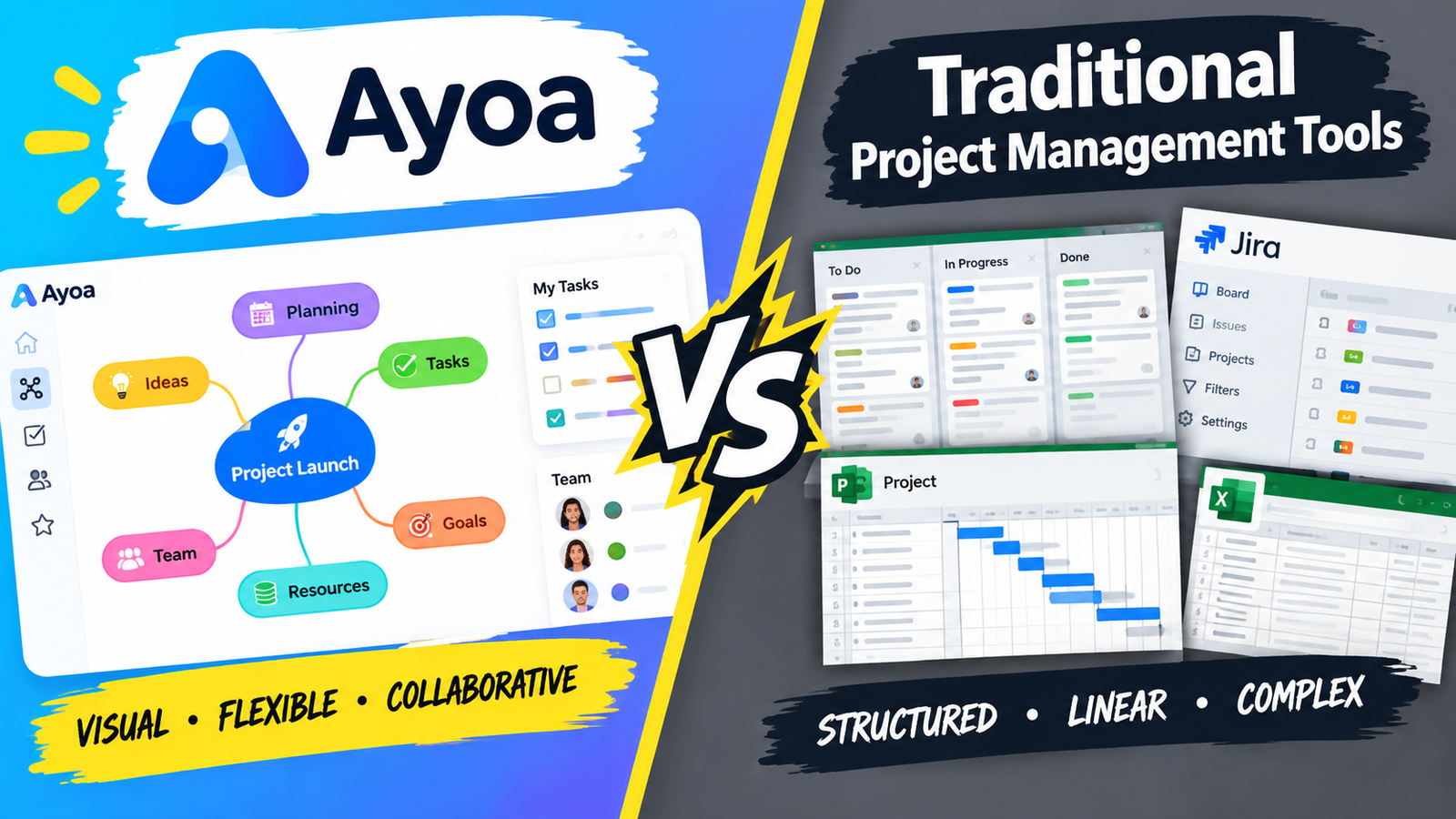
5G vs Fiber Broadband: Which One Is Right for You?

FutureNextGen

Discover the key differences in this guide on 5G vs Fiber Broadband, where we compare speed, reliability, cost, and real-world performance. Learn which internet option suits your needs best—whether you prioritize flexibility with 5G or the ultra-fast, stable connection of fiber broadband.

Table of Contents

Understanding Modern Internet Technologies

What is 5G Internet?

Imagine internet without wires—sounds futuristic, right? That’s exactly what 5G internet brings to the table. It’s the fifth generation of wireless technology, designed to deliver faster speeds, lower latency, and better connectivity than previous mobile networks. Unlike traditional broadband, 5G uses cellular towers to transmit data through radio waves, meaning you don’t need physical cables running into your home.

Now here’s where things get interesting. In ideal conditions, 5G can reach extremely high speeds, even rivaling wired connections. But in real-world scenarios, speeds typically range between 100 Mbps to 300 Mbps, depending on signal strength, congestion, and distance from the tower . That variability is both its strength and its weakness. You get flexibility and portability, but performance can fluctuate.

What is Fiber Broadband?

If 5G is a highway, fiber broadband is more like a private bullet train. It uses fiber-optic cables made of glass or plastic strands to transmit data as pulses of light. Yes, light. That’s why it’s insanely fast and incredibly reliable.

Fiber doesn’t rely on shared airwaves or weather conditions. Instead, it delivers a dedicated connection directly to your home. This allows it to achieve speeds of 1 Gbps or higher, with some networks offering up to 5 Gbps or more . Even better, fiber provides symmetrical speeds, meaning your upload and download speeds are the same.

How 5G and Fiber Work

Wireless Transmission in 5G

5G works by sending data over radio waves between your device and nearby cell towers. These towers are connected to the broader internet network, allowing you to access online content without physical cables. The technology uses a mix of frequencies—from low-band for wider coverage to high-band (mmWave) for ultra-fast speeds.

But here’s the catch: high-frequency signals don’t travel far and can be blocked by buildings, trees, or even walls. That’s why 5G performance can vary significantly based on your location. If you’re close to a tower, you’ll experience blazing speeds. Move a few blocks away, and things might slow down.

This variability makes 5G both exciting and unpredictable. It’s perfect for quick deployment and mobility, but not always ideal for consistent performance.

Light-Based Transmission in Fiber

Fiber broadband takes a completely different approach. Instead of radio waves, it uses light signals transmitted through fiber-optic cables. These cables can carry massive amounts of data over long distances without losing quality.

Because the connection is physical and dedicated, fiber is not affected by weather, interference, or network congestion in the same way as 5G. It’s like having your own private lane on the internet highway. This results in extremely stable speeds and ultra-low latency, often as low as 1–5 milliseconds.

Speed Comparison

Real-World Speeds of 5G

Let’s talk numbers. In real-world usage, 5G typically delivers speeds between 25 Mbps and 1 Gbps, with most users experiencing around 100–300 Mbps . That’s more than enough for streaming, browsing, and even gaming.

However, these speeds are not guaranteed. Factors like signal strength, network congestion, and environmental interference can significantly impact performance. In India, for example, mobile internet speeds have reached around 100.78 Mbps on average , showing how strong 5G adoption is becoming.

Fiber Speed Capabilities

Fiber, on the other hand, is in a different league. Typical plans offer 1 Gbps speeds, but advanced networks can go up to 5 Gbps or even higher . Some providers even push speeds beyond 10 Gbps in premium plans.

Here’s the key difference: fiber speeds are consistent. You get what you pay for, regardless of how many people are online. That makes it ideal for households with multiple users or bandwidth-heavy activities like 4K streaming and cloud computing.

Latency and Performance

Why Latency Matters

Latency is the delay between sending a request and receiving a response. It might sound technical, but it’s something you feel every day—like when a video buffers or a game lags.

Lower latency means a smoother experience. Whether you’re gaming, video conferencing, or using cloud apps, latency plays a huge role in performance.

Fiber vs 5G Latency Comparison

Fiber has a clear advantage here. It typically offers latency as low as 1–10 ms, while 5G ranges between 10–30 ms in most cases . In some scenarios, 5G latency can even go up to 40–50 ms.

That difference might seem small, but it’s noticeable in real-time applications. Gamers, for example, prefer fiber because every millisecond counts. Think of it like reaction time in a race—faster response means better performance.

Reliability and Stability

Network Congestion in 5G

5G networks are shared among users. This means that during peak hours, speeds can drop significantly. Weather conditions and physical obstacles can also affect signal quality.

Fiber Consistency Advantage

Fiber doesn’t have these issues. It provides a dedicated connection, ensuring consistent performance regardless of external factors. That’s why it’s often considered the most reliable internet option available today.

Installation and Availability

Ease of 5G Setup

One of the biggest advantages of 5G is its simplicity. You can set it up in minutes—just plug in a router and connect. No drilling, no cables, no waiting.

Fiber Infrastructure Limitations

Fiber requires physical installation, which can take time and may not be available in all areas. Rural regions often lack fiber infrastructure, making 5G a more practical choice.

Cost Comparison

5G Pricing Trends

5G plans are generally affordable and often come with no installation fees. This makes them attractive for budget-conscious users.

Fiber Cost Factors

Fiber can be more expensive upfront due to installation costs, but it offers better long-term value thanks to its performance and reliability.

Security Differences

Fiber is inherently more secure because it uses physical cables that are difficult to tap into. 5G, being wireless, is more susceptible to interception, although modern encryption reduces this risk significantly.

Use Case Analysis

Best for Gamers

Fiber wins hands down. Low latency and stable speeds make it perfect for competitive gaming.

Best for Remote Work

Again, fiber is the better choice due to its reliability and symmetrical upload speeds.

Best for Casual Users

If you just browse, stream, and use social media, 5G is more than enough.

Future of Internet: 5G vs Fiber

The future isn’t about choosing one over the other—it’s about coexistence. 5G will expand connectivity in underserved areas, while fiber will continue to dominate in performance. Together, they’ll shape the next generation of internet experiences.

Pros and Cons Table

Feature5G InternetFiber Broadband
Speed100–300 Mbps (variable)1–5 Gbps (consistent)
Latency10–30 ms1–10 ms
ReliabilityMediumHigh
InstallationEasyComplex
AvailabilityWidely expandingLimited in rural areas
CostLower upfrontHigher upfront

Final Verdict: Which One Should You Choose?

If you have access to fiber, it’s the clear winner. It offers unmatched speed, reliability, and performance. But if fiber isn’t available, 5G is a solid alternative that provides flexibility and decent speeds.

Conclusion

Choosing between 5G and fiber broadband isn’t just about speed—it’s about your lifestyle, location, and needs. Fiber is like a luxury sports car: fast, reliable, and built for performance. 5G is more like a versatile SUV: flexible, accessible, and good enough for most situations.

If you’re working from home, gaming, or running a business, fiber is worth the investment. But if you need quick setup, mobility, or live in an area without fiber, 5G is a practical and efficient choice.

Frequently Asked Questions

Is 5G faster than fiber broadband?

No, fiber is generally faster and more consistent than 5G, especially in real-world usage.

Can 5G replace fiber internet?

Not completely. 5G is a good alternative but lacks the consistency and reliability of fiber.

Which is better for gaming: 5G or fiber?

Fiber is better due to lower latency and stable speeds.