
Exploring Electricity and Energy Solutions Available Through WEMAG DE

Choosing an electricity provider is about more than finding a low price per kilowatt-hour. Today’s households and businesses also want reliable energy, transparent contracts, opportunities to reduce consumption, and practical ways to use renewable power. In Germany, the energy transition is encouraging consumers to explore solutions such as green electricity, rooftop solar panels, battery storage, heat pumps, and electric vehicle charging. WEMAG DE, through its official website at WEMAG.com, brings several of these services together for customers, particularly in northern Germany.
WEMAG offers electricity and natural gas tariffs, renewable energy solutions, photovoltaic systems, heat pumps, and other services connected with modern energy use. Its wider business also includes broadband and digital services, while its network subsidiary handles electricity infrastructure and related technical connections.
This broad range makes WEMAG worth exploring if you want to understand how conventional energy supply and newer technologies can work together.
Whether you are moving into a new home, looking for a better electricity contract, considering solar panels, or planning to switch to an electric vehicle, understanding the available options is a useful starting point. This guide explores WEMAG’s main electricity and energy services, explains how to compare tariffs, and highlights the questions to ask before choosing a solution.
Table of Contents
What Is WEMAG DE?
WEMAG is a German energy company headquartered in Schwerin, Mecklenburg-Vorpommern. It supplies energy products and develops services that support households, businesses, and communities as they adapt to changing energy needs. Customers can investigate natural gas and electricity rates, discover information about renewable energy sources, and learn about innovations like heat pumps and photovoltaic systems on the company’s official website. WEMAG also invests in renewable energy generation through wind, solar, and biogas facilities, connecting its retail energy business with broader developments in Germany’s energy transition.
For consumers, the most practical way to understand WEMAG is to see it as more than a company that sends an electricity bill each month. Its services cover several stages of energy use, from purchasing electricity to investigating ways of generating and storing power at home. A household might begin by comparing electricity tariffs and later consider rooftop solar panels or a heat pump as its needs change. A business, meanwhile, may investigate a tailored energy contract or a larger installation to help control operating costs. The availability and suitability of individual services depend on the customer’s location, property, consumption, and project requirements.
WEMAG's Role in Germany's Energy Transition
Germany’s energy transition involves expanding renewable electricity, modernising infrastructure, and finding better ways to balance energy supply and demand. WEMAG contributes through renewable electricity products, its own renewable generation facilities, and the work of WEMAG Netz GmbH, its distribution network subsidiary. According to the network company’s official information, its electricity network covers an area exceeding 8,000 square kilometres and includes approximately 16,500 kilometres of power lines. This infrastructure helps connect consumers, renewable generators, and other energy installations across its service region.
Why does this matter to ordinary customers? Because the energy transition is not limited to building wind turbines or solar farms. It also involves making sure that electricity can travel through the network, new generation systems can be connected safely, and customers can use technologies such as batteries and charging stations. WEMAG’s network subsidiary provides information about connections for generating installations, storage systems, heat pumps, and charging equipment. However, customers should distinguish between WEMAG’s energy supply products and the separate technical responsibilities of the network operator. Knowing which organisation handles a particular request can make the process easier when installing new equipment or changing an existing connection.
WEMAG's Role in Germany's Energy Transition
Electricity tariffs are among the most important services available through WEMAG. The company provides an online price calculator that allows customers to check available electricity offers using their postcode and estimated or recorded annual consumption. This approach matters because electricity prices can vary according to location, network charges, consumption, and the tariff selected. Instead of relying on a general advertised price, customers can use their own circumstances to estimate the likely annual cost of a contract.
When comparing electricity plans, pay attention to both the consumption price and the basic monthly charge. The consumption price is the amount charged for each kilowatt-hour you use, while the basic charge is a recurring fee that usually applies regardless of how much electricity you consume. A tariff with a lower consumption price may not be the cheapest choice for a household with very low usage if its basic charge is relatively high. On the other hand, a household that uses more electricity may benefit from a different combination of charges. Looking at the estimated annual bill makes these differences easier to understand.
WEMAG also publishes information about contract durations and price guarantees for its electricity products. Its standard WEMAG Ökostrom offer, for example, lists a 12-month contract period on the official website, although customers should confirm the current terms of the specific offer before signing up. A price guarantee can provide some predictability, but its scope matters: an offer may protect certain price components while allowing statutory taxes or levies to change. Reading the full tariff conditions helps you understand what is guaranteed and what is not.
Green Electricity and Renewable Energy Options
A major part of WEMAG’s electricity offering is its renewable electricity range. The company states that its household electricity tariffs are covered on a balance-sheet basis by electricity from renewable sources, with origin guarantees used to document the renewable energy attributes. Its website also describes WEMAG Ökostrom and WEMAG Ökostrom Direkt, which differ in how renewable electricity is sourced and allocated. Customers interested in the origin of their electricity can review the product descriptions and relevant certification information before choosing a tariff.
Green electricity can be appealing if you want your electricity purchasing decisions to support the wider transition to renewable energy. Still, it is useful to understand what a renewable electricity tariff does and does not mean. Electricity from different sources enters the same interconnected grid, so customers generally do not receive physically separate electrons from a specific wind or solar installation. Instead, renewable electricity products use recognised accounting and documentation methods to substantiate the renewable origin of the supplied electricity. WEMAG also operates or invests in renewable generation facilities, including wind, solar, and biogas installations.
When choosing a green tariff, look beyond the label. Check the certification, contract duration, price guarantee, cancellation conditions, and total annual cost. If supporting renewable electricity generation is particularly important to you, compare the sourcing information provided for different products. That way, your decision reflects both your household budget and your environmental priorities.
WEMAG Natural Gas Services
Although renewable electricity attracts considerable attention, natural gas remains an important energy option for many German homes and businesses. WEMAG offers natural gas tariffs alongside electricity services, allowing eligible customers to compare energy supply options through its website. Its online tariff process asks customers to provide their postcode and estimated annual consumption so that available offers and expected costs can be calculated for their location.
Natural gas may be used for heating, hot water, cooking, and some commercial processes, depending on the equipment installed in a property. When comparing gas tariffs, customers should check the consumption price, basic charge, minimum contract period, price guarantee, and any conditions related to the property or meter. As with electricity, the cheapest headline rate does not always result in the lowest annual bill. Your consumption level and the structure of the tariff both influence the final cost.
It is also sensible to consider how a gas contract fits into your longer-term energy plans. If you are considering installing a heat pump, improving insulation, or renovating a property, your future gas consumption could change significantly. You do not need to make every decision at once, but understanding your current energy needs can help you avoid selecting a contract that no longer suits your circumstances later. WEMAG’s broader energy services may be useful when investigating alternative technologies, although the financial and technical suitability of each option depends on the individual property.
Solar Power and Photovoltaic Solutions
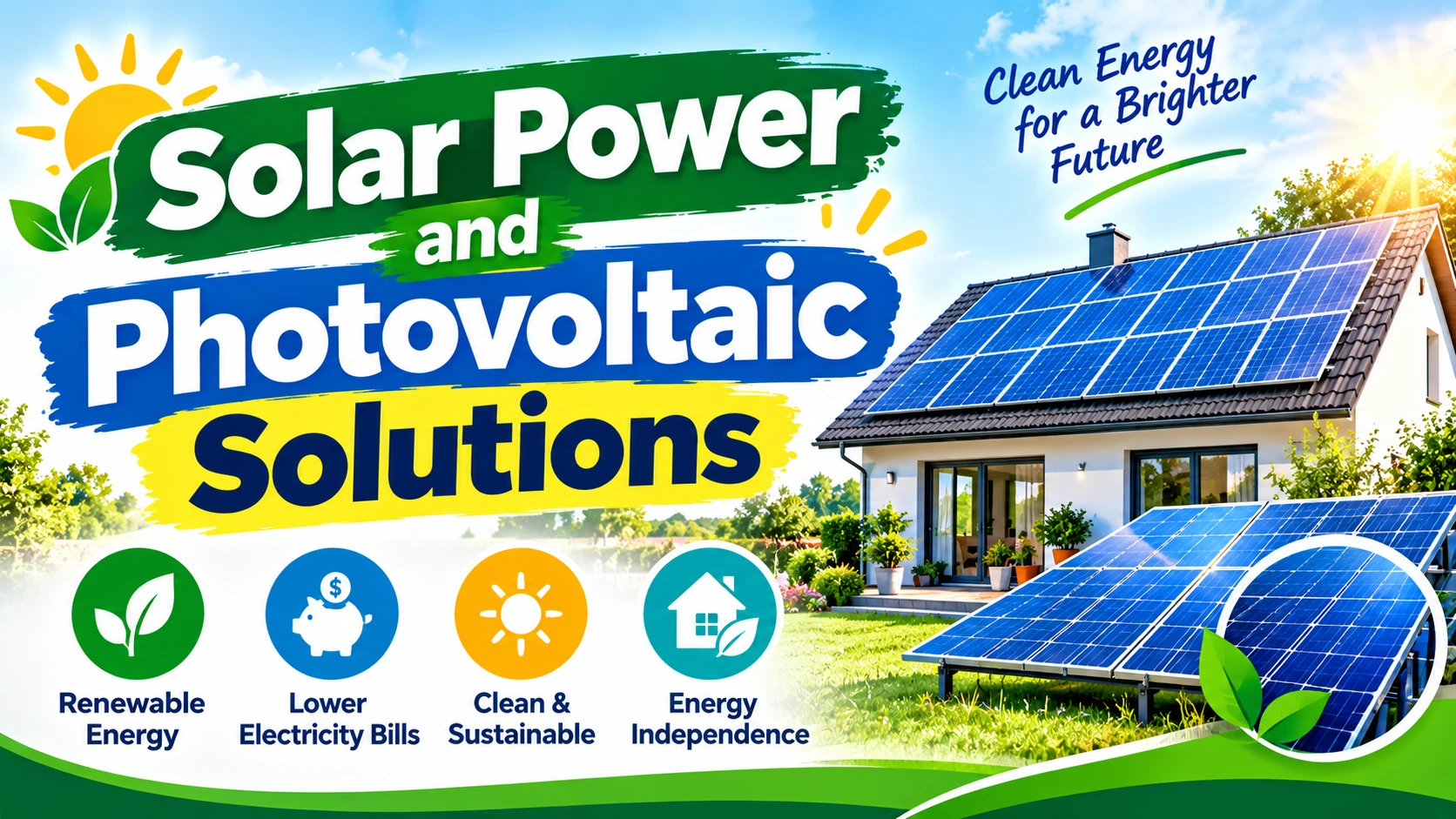
Photovoltaic systems, commonly called solar PV systems, convert sunlight into electricity. They can help homeowners and businesses generate part of their own power instead of purchasing every kilowatt-hour from an electricity supplier. WEMAG lists photovoltaic systems among its energy solutions, making solar power one of the technologies customers can explore through its wider service offering. The exact installation arrangements, equipment, and commercial terms should be confirmed directly with the company.
Imagine a home with a suitable roof that receives good sunlight during the day. Solar panels can generate electricity for appliances, lighting, computers, and other household equipment when the system is producing power. Depending on the installation and the home’s consumption patterns, some electricity may be exported to the grid when generation exceeds immediate demand. During the evening or periods of weak sunlight, the household may need electricity from the grid or from a compatible battery system. The actual benefit depends on system size, roof orientation, shading, electricity consumption, installation costs, and the applicable rules for exporting power.
Energy Storage and Battery Systems
Solar panels produce electricity according to sunlight availability, but household electricity use does not always follow the same schedule. A battery can store some of the electricity generated during sunny hours and make it available later, potentially reducing the amount of electricity a household purchases from the grid. WEMAG’s wider group includes services related to photovoltaic installations and energy storage, although the availability and specifications of individual systems should be checked for each project.
Battery storage can be useful for households that generate more solar electricity during the day than they can immediately consume. However, a battery is an additional investment, and its value depends on how much surplus electricity is available, how often the stored power is used, the system’s efficiency, and the cost of installation. A larger battery is not automatically a better investment if the household has limited solar generation or little evening consumption. The best approach is to evaluate the solar system and battery together, using realistic generation and usage estimates.
Before committing to a solar project, ask for a clear breakdown of equipment, installation, warranties, expected generation, maintenance, and any grid connection requirements. Check whether the proposal includes battery storage or treats it as an optional extra. You should also clarify how the installation will be registered and connected, because the relevant procedures may involve the network operator as well as the energy supplier.
Heat Pumps and Energy-Efficient Heating
Heating can account for a substantial share of a building’s energy use, which makes it an important area to consider when looking for long-term savings. A heat pump transfers heat from the surrounding air, ground, or another suitable source into a building rather than generating all its heat through direct combustion. Depending on the system and operating conditions, it can deliver several units of heat for each unit of electricity consumed. WEMAG’s website includes heat pumps among its home energy solutions, while WEMAG Netz provides information about registering heat pumps and managing relevant network connections.
Whether a heat pump is suitable depends on several factors, including insulation, radiator or underfloor heating requirements, the building’s heat demand, outdoor conditions, and electricity costs. Some properties may need improvements to insulation or heating distribution to achieve good performance. For this reason, a professional assessment is more useful than choosing a system based only on its advertised efficiency. Customers should ask for an estimate of installation costs, expected annual electricity consumption, maintenance needs, and performance under realistic local conditions.
A heat pump can also change the way a household uses electricity. If it is combined with rooftop solar panels, some of its electricity demand may be met by on-site generation when sunlight is available. However, solar output and heating demand do not always peak at the same time, especially in winter. A suitable tariff, efficient equipment, good building insulation, and carefully planned controls all contribute to the overall result. Before making a large investment, compare the complete cost of ownership rather than looking only at potential energy savings.
Electric Vehicle Charging and E-Mobility
Electric vehicles are becoming an important part of the wider energy landscape because charging them connects transport directly with electricity use. WEMAG’s wider business includes electromobility solutions, while its network subsidiary provides information and procedures for registering charging stations and home wallboxes where applicable. This can be relevant for homeowners who want to charge a vehicle in a garage or driveway, as well as businesses considering charging facilities for employees or fleets.
A home wallbox can offer a convenient alternative to relying entirely on public charging stations. Before installing one, check whether the electrical connection has sufficient capacity, whether any technical upgrades are required, and what registration or approval procedures apply. The requirements can depend on the equipment, its charging capacity, and the relevant network rules. An electrician or qualified installer can help assess the installation and explain the steps needed to connect it safely.
Electric vehicle charging can also affect the household’s electricity consumption. A driver who charges at home regularly may use significantly more electricity than before buying an electric vehicle, so it is worth recalculating the annual demand when comparing tariffs. Some households may be able to schedule charging for convenient periods or coordinate it with solar generation, depending on their equipment and tariff arrangements. However, don’t assume a special charging rate is automatically available: check the current offers and technical requirements with WEMAG and the responsible network operator.
For businesses, charging infrastructure may support company vehicles, customer parking, or employee commuting. A suitable installation needs more than a charger mounted on a wall; it may require capacity planning, load management, billing arrangements, and a safe installation designed for the expected number of vehicles. WEMAG’s broader energy and network services provide a starting point for investigating these requirements.
Comparing WEMAG Prices, Contracts, and Customer Services
Price comparison is one of the most useful steps when choosing an energy provider. WEMAG’s official price calculator allows prospective customers to enter their postcode and annual consumption to view the offers available for their location. The company states that its calculator can provide offers for annual consumption between 500 kWh and 50,000 kWh, while customers with higher consumption are directed toward individually calculated contracts. This distinction is particularly relevant for larger businesses or properties with unusually high energy requirements.
When comparing offers, look at the full annual cost rather than focusing on one number. The consumption price tells you how much you pay for each unit of electricity, while the basic charge covers a recurring part of the bill. Contract duration, price guarantees, new-customer bonuses, and cancellation rules can also influence the overall value. If an offer includes a promotional bonus, check when it is credited and whether any conditions apply before treating it as a guaranteed saving.
The following table summarises the main factors worth comparing when evaluating an electricity offer.
Comparison factor | What to check | Why it matters |
Consumption price | Cost per kWh | Affects the variable part of your bill |
Basic charge | Monthly or annual fixed fee | Matters even when consumption is low |
Contract duration | Minimum term and renewal conditions | Determines how long you are committed |
Price guarantee | Protected components and duration | Helps you understand future price risks |
Bonus payments | Eligibility and payment conditions | May affect the first-year cost |
Renewable electricity | Certification and sourcing information | Helps you understand the product’s environmental claims |
Customer service | Contact channels and account tools | Makes billing and contract management easier |
WEMAG also publishes tariff information explaining the components of electricity prices. Its standard electricity supply page lists, for example, a regional household tariff effective from 1 January 2026 with a consumption price of 33.32 cents per kWh and a basic charge of €17.54 per month in its applicable network area. These are specific published rates, not universal prices for every WEMAG customer or location. Use the current price calculator to check whether the same tariff is available at your address and whether different contract conditions apply.
Online Payments, Invoices, and Recurring Billing
A business does not always need a physical checkout counter to collect money. Contractors send invoices, consultants collect deposits, agencies bill clients, subscription businesses charge repeatedly, and online stores accept payments around the clock. Helcim provides tools designed to support these different payment situations, including online payments, invoices, recurring payments, and payment integrations. This can reduce the need for a merchant to use one provider for card processing and another for invoicing or recurring billing. Helcim’s current fee disclosure lists recurring payments at 0.4% per applicable recurring transaction, while the underlying card-network costs still depend on the transaction. For businesses using recurring billing, that transparency can help when calculating customer acquisition costs and lifetime value. It also gives merchants a clearer picture of how payment expenses change when customers move from one-time purchases to subscriptions. When a company can connect payment collection with its broader workflow, fewer manual steps are required, and fewer manual steps generally mean fewer opportunities for errors.
ACH Payments Can Expand Payment Options
Credit and debit cards are not the only way businesses can collect money. Bank-based payments can be useful for larger invoices, recurring services, professional fees, and transactions where merchants want an alternative to card payments. Helcim offers ACH payments for U.S. merchants, with its current fee disclosure listing 0.5% + 25¢ per approved transaction below $25,000, capped at $6 for transactions below that amount, with an additional 0.05% applied to amounts above $25,000. That structure can make ACH particularly interesting for larger transactions where card-processing costs could otherwise become significant. A business might, for example, give a customer the choice between paying a large invoice by card or using a bank payment. Giving customers options can improve flexibility while helping merchants manage payment economics. The important point is that payment processing is no longer just about accepting the card sitting in someone’s wallet. A modern processor can act as a bridge between several payment methods, allowing the merchant to choose the right rail for different types of transactions.
How to Switch to WEMAG
WEMAG explains that customers can start a new electricity or natural gas contract through its website. The general process involves selecting a product, entering the postcode and annual consumption, reviewing the available tariffs, and providing the required personal and payment details. After the customer submits the application, WEMAG says it handles the necessary steps for the switch. The precise requirements may vary according to the product and the customer’s circumstances.
Before switching, have your latest energy bill available if possible. It can help you identify your annual consumption, meter details, current supplier, and other information needed for the application. Review the new contract’s start date, cancellation requirements, and price conditions before submitting your order. If you are moving into a new property rather than switching an existing contract, check the relevant registration process so that your supply and billing details are correctly established.
Online Account Management and Energy Support
Online services can make managing an energy contract much easier. WEMAG provides a customer area and digital resources through which customers can access relevant account and contract information. The separate WEMAG Netz website also provides self-service options for tasks such as submitting meter readings, managing connections, and handling information about generation installations or storage systems. The correct portal depends on whether your request concerns your energy supply contract or the technical connection to the electricity network.
For everyday account management, keep your contract documents, bills, meter information, and customer reference details organised. Reviewing bills periodically can help you spot unexpected changes and understand whether your payments reflect your actual consumption. If you have installed solar panels or a battery, you may also need to manage technical documents and registration information separately from your electricity supply contract. Keeping these records together can save time when contacting customer service, arranging maintenance, or changing a tariff.
It is especially important to understand the difference between WEMAG AG and WEMAG Netz GmbH. Your energy supplier handles matters such as your electricity tariff and supply contract, while the network operator deals with relevant infrastructure and connection procedures in its service area. For example, a question about your tariff price normally belongs with the supplier, whereas a request to register a new generation installation or ask about a network connection may involve WEMAG Netz. Identifying the right organisation at the beginning can help you reach the appropriate service more quickly.

Benefits and Considerations When Choosing WEMAG
One advantage of exploring WEMAG is the range of energy-related services available through its wider business. Customers can investigate renewable electricity and natural gas tariffs alongside technologies such as photovoltaic systems, energy storage, heat pumps, and electric vehicle charging. The company also has a regional focus in northern Germany and invests in renewable generation, while its network subsidiary supports the infrastructure needed to connect customers and energy installations. For people interested in both energy supply and future efficiency improvements, this combination can be a useful starting point.
However, no provider or technology is automatically the best option for every household. The availability of tariffs depends on location, and a renewable electricity contract may have different pricing and conditions from another product. Solar panels and batteries involve upfront costs, while heat pumps and charging stations may require building work or changes to electrical infrastructure. These investments should be evaluated using realistic estimates and, where necessary, professional advice rather than relying on general claims about savings.
Potential advantages | Considerations before choosing |
Renewable electricity tariff options | Confirm the tariff’s terms and certification |
Online price calculator | Enter accurate consumption and location details |
Solar and storage solutions | Assess installation costs and expected output |
Heat pump options | Check building suitability and heating requirements |
E-mobility services | Verify charger compatibility and connection requirements |
Digital customer and network services | Identify which organisation handles your request |
Regional energy and network expertise | Confirm that the specific service is available at your address |
The most effective approach is to begin with your immediate need. If you simply want to lower your electricity bill, compare tariffs first. If your longer-term goal is to generate your own electricity, investigate solar generation and storage together. If you are planning a home renovation or purchasing an electric vehicle, consider how those changes will affect your future energy demand. By approaching the decision in stages, you can avoid unnecessary expense while building a practical plan for your household or business.
Conclusion
WEMAG DE offers a range of electricity and energy solutions that can help households and businesses explore renewable electricity, natural gas, solar power, battery storage, heat pumps, and electric vehicle charging. Its online tariff calculator makes it possible to investigate electricity costs using your location and annual consumption, while its wider services provide starting points for customers considering changes to their energy systems.
The best choice depends on your energy requirements, budget, property, and long-term plans. If your immediate priority is reducing electricity costs, start by comparing the consumption price, basic charge, contract duration, and price guarantee. If you want to make your home more energy-efficient, consider whether solar panels, storage, or a heat pump would suit your building and daily usage patterns.
Before signing a contract or investing in new equipment, confirm current prices, service availability, installation requirements, and applicable terms through the official WEMAG website. A careful comparison will help you make an informed decision and find an energy solution that balances cost, convenience, and sustainability.
Frequently Asked Questions
Q. Does WEMAG offer renewable electricity?
Yes. WEMAG offers renewable electricity tariffs, including WEMAG Ökostrom and WEMAG Ökostrom Direkt. The company describes its household electricity products as being covered on a balance-sheet basis by renewable sources, with origin guarantees and certification information available on its website. Check the individual tariff details for current pricing and contract conditions.
Q. Can customers compare WEMAG electricity tariffs online?
Yes. Customers can use the official WEMAG price calculator by entering their postcode and annual electricity consumption. The calculator displays available offers and estimated costs for eligible locations. Comparing the consumption price, basic charge, contract duration, and price guarantee can help you identify a suitable tariff.
Q. Does WEMAG provide solar panel solutions?
WEMAG lists photovoltaic systems among its energy solutions. Solar panels can help households and businesses generate electricity, while compatible battery systems can store some of that energy for later use. Contact WEMAG to confirm the current installation options, equipment, project costs, and availability for your property.
Q. Can WEMAG help with electric vehicle charging?
WEMAG’s wider business includes electromobility solutions, and WEMAG Netz provides information about registering charging stations and wallboxes within its network area. Before installing a charger, check your property’s electrical capacity, applicable connection requirements, and the availability of suitable services.
Q. Who can use WEMAG energy services?
WEMAG serves private and business customers through its energy and related services, although the availability of particular tariffs depends on the customer’s location and requirements. Its website provides options for comparing electricity and natural gas offers, while its wider business covers technologies such as photovoltaic systems and energy storage. Customers with specialised or high energy consumption may need an individually calculated offer.
Table of Contents
You May Also Like

How PatPat Is Changing the Way Parents Shop for Affordable Kids’ Clothing
official.times.software
November 23, 2026
Read More »
The Ultimate Guide to Using ActivTrak for Better Workforce Productivity
official.times.software
November 23, 2026
Read More »

Exploring Audiobooks.com: What Makes This Platform Popular Among Book Lovers?
official.times.software
November 22, 2026
Read More »

Finding the Right Skincare Routine: Exploring the Products Offered by Sunday Riley
official.times.software
November 22, 2026
Read More »

A Detailed Review of Maxaroma: Product Quality, Variety, and Customer Experience
official.times.software
November 22, 2026
Read More »