

How PatPat Is Changing the Way Parents Shop for Affordable Kids' Clothing

Shopping for children’s clothing can feel like a never-ending task. Children grow quickly, their interests change, and clothes that fit perfectly one season may become too small the next. Parents need outfits for school, playtime, family gatherings, holidays, and everyday activities, but replacing a child’s wardrobe regularly can put pressure on the household budget. This is one reason online children’s fashion retailers have become increasingly attractive. They give families a way to explore different styles, compare prices, and shop from home instead of spending hours visiting multiple stores.
One brand that has attracted attention in this space is PatPat. Founded in 2014 in Mountain View, California, the company focuses on baby clothing, kids’ fashion, family matching outfits, and related products. Its approach combines a broad online catalogue with promotional offers, character-inspired collections, and coordinated clothing for parents and children. PatPat says its products are available to customers in more than 100 countries, reflecting its international e-commerce model.
The appeal is straightforward: parents want clothing that looks appealing, feels comfortable, and fits their budget. PatPat aims to bring those priorities together through an online shopping experience built around families. However, affordable fashion is about more than a low displayed price. Sizing, fabric, delivery, customer service, and return arrangements all influence whether a purchase represents good value. Understanding how the brand works can help parents decide whether it suits their family’s needs.
Table of Contents
Understanding PatPat and Its Approach to Children's Fashion
PatPat began with a practical idea: make it easier for parents to find fashionable clothing for their children without relying entirely on traditional retail shopping. According to the company’s story, its founders, Ken Gao and Albert Wang, became parents themselves and noticed a gap between the practical needs of families and the variety of styles available in children’s fashion. They developed an online retail business intended to make family shopping more accessible, convenient, and enjoyable. Since its launch, PatPat has expanded beyond basic baby and toddler clothing into a wider range of family-oriented products.
The brand’s catalogue includes baby clothes, toddler outfits, clothing for older children, sleepwear, dresses, everyday sets, swimwear, and coordinated family collections. This range matters because parents rarely shop for just one type of outfit. A family might need comfortable clothes for home, a special dress for a birthday, matching pajamas for a holiday, and practical outfits for a weekend trip. Finding several of these categories in one online store can reduce the effort involved in planning a child’s wardrobe.
PatPat also uses themed designs and licensed character collections to make shopping more engaging for children and parents. Its app and product information highlight partnerships with recognizable entertainment brands, including Disney, Barbie, and PAW Patrol. These collections can appeal to children who enjoy seeing familiar characters on their clothing, while giving parents more choices than plain everyday basics.
How the Brand Connects Affordability With Style
Affordability is central to PatPat‘s appeal. Children often outgrow clothing before it becomes worn out, so parents may hesitate to spend heavily on every item. A retailer offering a wide selection of lower-priced styles can make it easier to buy practical outfits while leaving room in the household budget for other expenses. PatPat promotes discounts, limited-time deals, membership benefits, and seasonal offers through its website and mobile app. These promotions may help shoppers find lower prices, although the final value depends on the item, delivery charges, taxes, and any applicable conditions.
The brand’s style strategy is also important. Affordable clothing does not have to look plain or repetitive. Parents can browse colorful prints, playful patterns, seasonal designs, casual sets, and outfits for special occasions. This variety gives families more freedom to choose clothes that reflect a child’s personality without treating every purchase as a major investment.
Still, parents should distinguish between a low price and genuine value. A discounted item is not automatically a bargain if the fabric, fit, or construction does not meet expectations. Checking garment details, customer photographs, and product reviews helps shoppers make more informed decisions. The smartest approach is to look for clothing that combines a reasonable price with practical features, comfortable materials, and a design the child will actually enjoy wearing.
The Role of Online Shopping in Its Growth
PatPat‘s business model reflects the broader shift toward online shopping. Instead of depending on a physical store in every town, the brand uses its website and mobile application to present products to customers in different markets. Parents can browse categories, view product photographs, compare designs, read customer feedback, and place orders from a phone or computer. This can be particularly useful for busy families who have limited time to visit shopping centres or search through crowded clothing departments.
The PatPat app promotes features such as personalized recommendations, product reviews, special offers, and a streamlined checkout experience. It also supports multiple languages and currencies for international shoppers, according to the company’s app information. These features are intended to make browsing more convenient for customers in different regions.
Online shopping also changes how parents discover new clothing ideas. Rather than seeing only the products displayed in a nearby store, shoppers can explore a much larger digital catalogue. They may discover matching family pajamas, themed birthday outfits, or seasonal collections while browsing other categories. The convenience is appealing, but online purchases require a little more attention because customers cannot touch the fabric or try on the clothes before ordering. Reading product descriptions and checking measurements become essential parts of the shopping process.
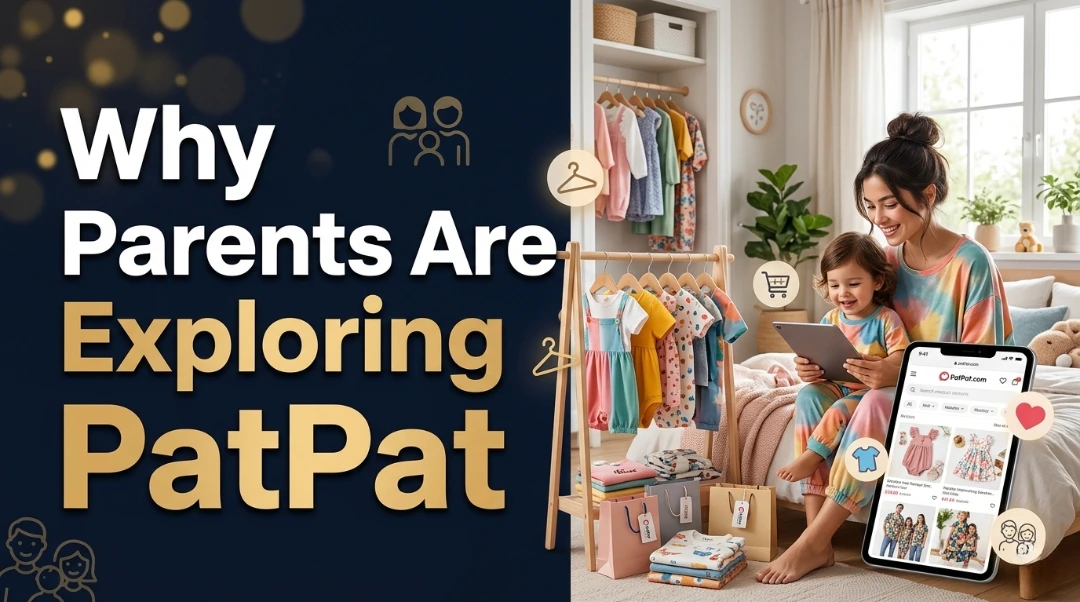
Why Parents Are Exploring PatPat
Parents are drawn to children’s clothing retailers for different reasons. Some prioritize low prices because they have several children to dress. Others want attractive outfits for photographs, birthdays, school events, or family holidays. Many simply want a convenient place to find everyday essentials without visiting multiple shops. PatPat attempts to serve these different needs by combining baby and children’s clothing with family collections and promotional shopping features.
Its online catalogue is designed to cover multiple stages of childhood, from baby clothing to outfits for older kids. This can make the store useful for households shopping for siblings of different ages. Parents can explore several categories during one session rather than beginning a separate search for every child. The company’s website also emphasizes family-oriented designs, including matching outfits and coordinated seasonal collections.
However, every family has different expectations. A parent shopping for everyday play clothes may have different priorities from someone looking for a special-occasion outfit. PatPat’s broad selection gives shoppers options, but the best experience comes from identifying what is needed before browsing. This reduces impulse purchases and helps families focus on clothing that fits their budget, lifestyle, and children’s preferences.
Budget-Friendly Clothing for Growing Children
Children grow at a pace that can surprise even experienced parents. A pair of trousers that fits comfortably today may become too short within a few months. Babies and toddlers can move through clothing sizes particularly quickly, which makes regular wardrobe updates a normal part of parenting. Spending large amounts on every outfit may not make sense when the child could outgrow it before the garment receives much use.
A retailer such as PatPat can appeal to budget-conscious families because it offers many styles at different promotional price points. Parents can look for multipacks, coordinated sets, seasonal discounts, and everyday basics that help stretch their clothing budget. Buying several useful pieces during a promotion may be more practical than paying full price for a single fashionable item. The key is to compare the actual cost of the complete order rather than focusing only on the discount displayed beside an individual product.
It is also helpful to think about how frequently an item will be worn. Comfortable leggings, T-shirts, pajamas, and simple tops may receive regular use, while a special costume or occasion dress might be worn only once or twice. A slightly more expensive everyday garment may offer better value if it is comfortable and holds up well through repeated washing. Parents should consider the expected use of each item before deciding whether the price is worthwhile.
A Wide Range of Styles and Collections
One of PatPat‘s noticeable features is the variety of designs available across its children’s and family categories. Parents can browse casual clothing, dresses, sleepwear, baby essentials, swimwear, and coordinated sets. This broad selection makes it possible to shop for different occasions without limiting the child’s wardrobe to a single style. A family might choose simple outfits for everyday wear, colorful clothes for playtime, and a coordinated set for a holiday celebration.
Character-themed collections add another dimension to the catalogue. Children often develop strong attachments to favorite animated characters, and clothing featuring familiar designs can make getting dressed more exciting. PatPat’s app information lists licensed partners such as Disney, Barbie, and PAW Patrol among its offerings. Parents should still check the exact product details, including the design, size, and material, rather than assuming every item in a themed collection has identical features.
The range of styles can also help parents involve children in choosing their own clothes. Older children may enjoy selecting colors, patterns, or favorite characters, while parents can guide decisions toward comfortable and practical options. This small opportunity for choice can make shopping feel more enjoyable and help children develop confidence in expressing their preferences.
What Makes the PatPat Shopping Experience Different
A useful online shopping experience should make it easy to find relevant products, understand their details, and complete an order without unnecessary confusion. PatPat uses a website and mobile app to organize its catalogue into categories and collections. Shoppers can explore product listings, open individual product pages, and review available information before adding items to their cart. The app also promotes special offers and recommendations, helping customers discover products that may match their interests.
The difference is not simply that the store sells children’s clothing online. Many retailers do that. PatPat’s identity is closely connected to family shopping, matching outfits, playful designs, and seasonal collections. That focus gives it a recognizable place in the children’s fashion market. Instead of treating parents as shoppers buying only for one child, the brand presents clothing as part of shared family experiences.
Parents should nevertheless approach the shopping process carefully. Product photographs can make an outfit look different from how it appears in person, and colors may vary slightly depending on lighting and screen settings. A clear product description, accurate size chart, and useful customer reviews are therefore more important than an attractive photograph alone. Taking a few minutes to check these details can prevent disappointment later.
Matching Family Outfits and Seasonal Collections
Matching family clothing is one of PatPat‘s distinctive shopping categories. Coordinated outfits allow parents, children, and sometimes siblings to wear related colors, patterns, or designs. These sets are popular for family photographs, holidays, vacations, birthdays, and other occasions when relatives want a coordinated appearance. Rather than buying separate outfits from different retailers and trying to match them, families can browse collections designed around a shared theme.
The appeal is partly emotional. A matching pajama set for a holiday morning or coordinated clothing for a family trip can become part of a memorable experience. Parents may enjoy taking photographs, while children may find it fun to wear clothes that look similar to those worn by their family members. PatPat’s website highlights family matching collections as part of its broader approach to family style.
Seasonal collections also help shoppers find clothing for specific times of the year. Lightweight outfits may be suitable for warmer weather, while pajamas and layered clothing can be useful during cooler months. Parents should always consider their local climate when selecting fabrics and styles. A garment that works well in one region may not be suitable for another, so checking material composition and garment construction is especially important when shopping internationally.
Convenient Browsing and Online Deals
The PatPat app is designed to make shopping accessible through a mobile device. According to its app information, customers can browse product categories, view details, read reviews, receive personalized recommendations, and access promotional offers. The company also advertises membership benefits and limited-time discounts. These features can help regular shoppers keep track of new collections and find offers without repeatedly visiting a physical store.
Promotions can be useful, but parents should understand their conditions. Some discounts may apply only to selected products, certain order values, or specific customer accounts. Shipping thresholds and delivery charges can also affect the total cost. For example, the app listing advertises free shipping on qualifying orders over a stated threshold, but shoppers should confirm the current offer and eligibility for their country at checkout.
A practical shopping habit is to create a shortlist before making a purchase. Parents can save items, compare similar products, and review the final basket before paying. This makes it easier to notice duplicate items, unnecessary accessories, or products that do not fit the family’s immediate needs. Convenient technology is most helpful when it supports thoughtful decisions rather than encouraging shoppers to buy simply because a sale is ending.
Quality, Comfort, and Practical Everyday Wear
Price and appearance are important, but children’s clothing must also be comfortable enough for daily activities. Young children spend much of their time moving, playing, sitting on the floor, running, and exploring their surroundings. Clothing that feels restrictive or irritating can quickly become unpopular, no matter how attractive it looks. Parents should therefore pay attention to fabric composition, seams, waistbands, closures, and care instructions when choosing outfits.
PatPat describes its clothing as designed with comfort and everyday family life in mind. Its website highlights fabric features and product qualities intended to support movement, breathability, and easy care. These are brand descriptions, however, and parents should evaluate individual products by reading their material details and customer feedback. A general claim about a collection does not guarantee that every garment will feel the same or suit every child.
Durability is another consideration. Children’s clothes may face frequent washing, food spills, outdoor play, and repeated use. A garment that loses its shape or develops damaged seams quickly may not be a good purchase even if its initial price was low. Checking reviews for comments about fabric thickness, stitching, color retention, and fit can provide useful clues. Parents should also follow the care label because washing temperature, drying method, and detergent choice can affect how long a garment lasts.
Choosing Fabrics and Checking Product Details
Different fabrics serve different purposes. Cotton is commonly chosen for everyday clothing because many parents find it soft and comfortable. Stretch fabrics can help children move freely, while lightweight materials may be useful in warm weather. Pajamas, swimwear, and outerwear each have different requirements, so parents should not assume one material is suitable for every situation.
Before buying an item, look for the fabric composition in its product description. If the listing gives a percentage breakdown, use it to understand what the garment contains rather than relying only on broad words such as “soft” or “breathable.” Parents shopping for children with particular fabric sensitivities should be especially careful and may prefer familiar materials that have worked well in the past. If important details are missing, contacting customer service before ordering is a sensible step.
Practical design features deserve attention too. For babies, parents may prefer clothing with convenient openings and easy-to-use fasteners. For toddlers, flexible waistbands and simple closures can make dressing easier. Older children may prefer garments that allow independent movement and feel appropriate for school or play. By considering how a child will use each item, parents can avoid buying clothes that look appealing online but remain unworn in the wardrobe
Shopping Smart on PatPat
Online shopping is easiest when parents approach it with a plan. Before browsing, consider what the child already owns, which sizes currently fit, and what clothing is needed for the coming weeks. A simple list can prevent unnecessary purchases and help shoppers focus on useful items. It is also helpful to set a spending limit before opening a sale page, because frequent promotions can make it tempting to add more products than originally intended.
PatPat‘s product pages and app information encourage customers to use size details and product reviews when selecting clothing. Parents should treat these resources as essential rather than optional. Children’s clothing sizes can differ between brands and styles, so selecting a size based only on age may lead to an incorrect fit. Measuring the child and comparing those measurements with the specific item’s size chart is usually a better approach.
The checkout stage deserves equal attention. Review the item quantity, selected sizes, delivery address, shipping fee, taxes, and estimated delivery information before submitting payment. If the order is intended for a birthday, holiday, or trip, allow enough time for possible delays. International deliveries may involve different logistics arrangements depending on the destination. A careful checkout routine can reduce avoidable problems and make the overall experience more predictable.
Understanding Sizes, Reviews, and Return Policies
Sizing is one of the biggest challenges when buying children’s clothing online. A child who usually wears a particular age-based size in one brand may need a different size elsewhere. Even within the same retailer, different garment styles can fit differently. For this reason, parents should check the measurements listed on the product page and compare them with the child’s current height and other relevant measurements.
Customer reviews can add useful context. Look for comments that mention whether a garment runs small or large, how the fabric feels, whether the color matches the photographs, and how the item performs after washing. Customer photographs may also help shoppers understand how an outfit looks outside the retailer’s studio images. However, reviews represent individual experiences, and one person’s fit or quality assessment may not apply to every child.
Return arrangements are another important part of online shopping. PatPat‘s official website advertises returns within 30 days, while its app listing also refers to a 30-day return policy. Customers should read the current policy for their region and order before buying, because eligibility, item condition, exclusions, and return procedures can affect whether a product can be sent back.
Parents should keep order confirmations and check the instructions provided by the retailer if an item arrives damaged, incorrect, or unsuitable. If a purchase is time-sensitive, it is wise to understand the return process before placing the order rather than waiting until a problem occurs.
Benefits and Potential Drawbacks for Parents
PatPat offers several features that may appeal to families. Its wide catalogue makes it possible to browse baby clothing, children’s outfits, family matching sets, and themed collections in one online store. Promotional offers may help parents manage clothing costs, while the mobile app provides another way to browse products and access customer support. The brand’s international presence also makes it accessible to shoppers beyond its original home market.
There are also limitations to consider. Online shoppers cannot physically inspect garments before purchasing them, which makes fabric feel and fit harder to judge. Sizing may vary between products, and photographs may not communicate every detail of a garment. Delivery times can differ by destination and warehouse, while return procedures may involve extra steps. These are common considerations for online fashion shopping, not necessarily problems unique to PatPat.
Customer feedback illustrates why it is useful to look beyond a brand’s own descriptions. Trustpilot’s PatPat review page displays a generally positive overall score, while its review summary also mentions complaints about delivery delays, tracking difficulties, and occasional sizing inconsistencies. Reviews change over time and reflect individual experiences, so they should be treated as one source of information rather than a guarantee of what every customer will experience.
Potential benefits | Possible drawbacks |
Broad selection of baby and children’s clothing | Customers cannot feel fabrics before ordering |
Family matching and themed collections | Product sizing may vary |
Promotional offers and app-based deals | Discounts may have conditions |
Online browsing from home | Delivery times depend on destination |
Product reviews and customer support | Returns may require additional steps |
Multiple clothing categories in one store | Product photographs may not show every detail |
The best way to evaluate PatPat is to consider the full shopping experience rather than judging it on price alone. Parents who compare measurements, read recent reviews, check delivery information, and understand return conditions are more likely to make purchases that meet their expectations. For everyday basics, it may be sensible to start with a small order and assess the fit and quality before buying larger quantities. This approach gives families a chance to decide whether the retailer works for their needs without committing to a large purchase immediately.

Conclusion
PatPat is changing the way some parents shop for affordable kids’ clothing by bringing a wide selection of baby outfits, children’s fashion, matching family sets, and themed collections into one online shopping experience. Its combination of promotional offers, mobile shopping features, and family-focused designs gives parents more options when planning their children’s wardrobes. The brand’s approach reflects a wider change in retail: families increasingly expect convenient digital shopping, plenty of choices, and prices that fit everyday budgets.
However, finding affordable children’s clothing still requires careful decisions. Parents should look beyond attractive product photographs and discounts to consider fabric composition, sizing, durability, delivery arrangements, and return conditions. Reading customer reviews and checking measurements can make a significant difference when ordering online.
Ultimately, PatPat may be worth exploring for parents who want variety, coordinated outfits, and budget-conscious shopping options. The best results come from comparing products carefully, purchasing according to actual needs, and understanding the policies that apply to each order. When convenience and thoughtful shopping work together, families can build practical, attractive wardrobes without spending more than necessary.
Frequently Asked Questions
Q. What is PatPat known for?
PatPat is an online retailer specializing in baby clothing, children’s fashion, and family matching outfits. Its catalogue includes everyday clothing, pajamas, dresses, seasonal collections, and licensed character designs. The brand focuses on combining family-oriented styles with accessible online shopping.
Q. Is PatPat affordable for parents?
PatPat promotes competitive prices, seasonal discounts, and special offers through its website and app. Whether it is affordable depends on the products selected, shipping costs, taxes, and any applicable promotions. Parents should compare the final checkout price with similar products from other retailers.
Q. How can parents choose the correct size on PatPat?
Parents should measure their child’s height and other relevant body measurements, then compare them with the size chart on the individual product page. It is better to use actual measurements than rely entirely on age-based sizing. Reading recent customer reviews can also provide helpful information about fit.
Q. Does PatPat offer matching family outfits?
Yes. PatPat features coordinated clothing collections for children and adults, including matching pajamas and outfits for family occasions. These collections can be useful for holidays, family photographs, vacations, and celebrations. Available designs and sizes may vary.
Q. What should parents check before ordering from PatPat?
Parents should review fabric composition, size charts, product photographs, customer reviews, delivery estimates, and return conditions. They should also check the final order total, including shipping and applicable taxes. Understanding these details before checkout can help prevent unexpected costs and disappointing purchases.
Table of Contents
You May Also Like

The Ultimate Guide to Using ActivTrak for Better Workforce Productivity
official.times.software
November 23, 2026
Read More »

Exploring Audiobooks.com: What Makes This Platform Popular Among Book Lovers?
official.times.software
November 22, 2026
Read More »

Finding the Right Skincare Routine: Exploring the Products Offered by Sunday Riley
official.times.software
November 22, 2026
Read More »

A Detailed Review of Maxaroma: Product Quality, Variety, and Customer Experience
official.times.software
November 22, 2026
Read More »

Understanding Holiday Autos: Booking Process, Benefits, and Rental Options
official.times.software
November 22, 2026
Read More »